

 iHeartRadio
 Apple Podcasts
 Spotify
 TuneIn
 Podchaser
 Castro
 Amazon Music
 PlayerFM
 RSS Feed
 The Family Fight Albany Forgot

Family First is the question beneath this conversation: will New York rebuild around the household, or will families keep bending around government?
Peter Vazquez speaks with Kalinda Washington, Republican and Conservative candidate for New York State Assembly District 135, through education, childcare, property taxes, public trust, patriotism, and ideological drift. From Frederick Douglass in Rochester to today’s kitchen-table burdens, the warning is clear: compassion without results becomes control.
Family First New York. There are cities that remember their monuments but forget their meaning.
Rochester knows Frederick Douglass in bronze. It knows him in Mount Hope Cemetery, in speeches, in street markers, in ceremonies, in the safe applause of public memory. But Douglass was not safe.
He was not a decoration for a city’s conscience. He was a warning bell. He stood in Rochester and asked whether the great principles of political freedom and natural justice were truly extended to the people.
That question did not die in 1852. It still walks through New York.
It walks into the classroom where a parent wonders whether their child is being formed, or merely moved along. It walks into the childcare center where care is called essential, but priced like a luxury.
It walks into the home where the property-tax bill arrives whether the family had a good year or not. It walks into the voting booth where citizens are asked, again and again, to reward a system that speaks compassion while families feel managed, squeezed, and ignored.
That was the deeper ground of this conversation with Kalinda Washington, Republican and Conservative candidate for New York State Assembly District 135. This was not merely about a race. It was about the old question beneath every serious civic fight: does government exist to serve the family, or is the family expected to bend around government?
New York spends like money alone can save a child. In fiscal year 2024, the U.S. Census Bureau reported national public-school current spending at $17,619 per pupil, while New York remained the highest-spending state at $31,918 per pupil.
Yet the New York State Education Department’s 2024–25 preliminary results showed Grades 3–8 proficiency at only 53% in English Language Arts and 55% in math, with science proficiency at 44% for Grades 5 and 8. Spending is not mastery. Promotion is not readiness. A child moved forward without the ability to read is not being lifted; that child is being quietly abandoned with paperwork.
This is where the Vanbōōlzalness Crisis becomes visible. It is the sickness of systems that speak compassion while producing dependency, confusion, and lowered expectations. It is the habit of calling something equity while refusing to face the outcomes.
EdTrust-New York reported in June 2026 that New York’s graduation rate fell from 87% in 2022 to 85% in 2025, calling the drop a sign of persistent inequities in educational opportunity and outcomes. The New York Equity Coalition also reported that students of color make up 60% of New York’s K–12 enrollment, while 75% of the state’s teachers are White. The language of equity is everywhere.
The results are still fractured.
Childcare tells the same story in the language of exhaustion. The New York State Comptroller reported that 60% of New York census tracts were childcare deserts in 2023. Infant center-based care averaged $20,459 a year. Toddler center-based care averaged $17,476. Childcare is where the workday begins before the parent ever clocks in, yet New York keeps treating it like a private inconvenience instead of a family, workforce, and child-development crisis. Parents cannot work without care. Providers cannot survive without margin. Children cannot wait for Albany to discover basic arithmetic.
Then comes the property-tax bill, the quiet rent on ownership. New York’s own tax data show that property taxes support school districts, local governments, special districts such as fire districts, and other local services. Outside New York City, school taxes account for 62.2% of property-tax levies for fiscal years ending in 2025.
That means every conversation about education spending is also a conversation about whether families can afford to stay rooted. The bill comes to the house without asking whether the senior is tired, whether the young family is stretched, whether the veteran has already given enough, or whether the taxpayer is watching the dream of ownership become one more thing government prices out of reach.
Assembly District 135 is not a failing district. That is why the warning cuts deeper. Census Reporter lists the district at 131,706 people, with a veteran population of 5.1%, about 1.4 times New York’s statewide rate. These are families who worked, served, saved, raised children, bought homes, paid taxes, supported schools, and built community. A state that punishes responsibility eventually teaches responsible people to leave.
That is why the ideological weather matters. When national political figures dismiss radical ideas as outside the mainstream while still welcoming the movements that carry them, voters should listen carefully. Abolishing police, prisons, borders, and private ownership is not reform. It is old collectivism in fresh packaging. It promises liberation and delivers management. It speaks for “the people” while treating real people as raw material for a theory.
Frederick Douglass used America’s promise to condemn America’s sin. The modern grievance industry uses America’s sin to erase America’s promise. That is the difference between moral courage and managed resentment.
At the center of this hour was not the party office, the activist slogan, or the committee room. It was the kitchen table.
- Can the child read?
- Can the parent work?
- Can the senior stay?
- Can the homeowner breathe?
- Can the teacher teach?
- Can the veteran be honored?
- Can the voter still tell the difference between being served and being managed?
Kalinda Washington brought the conversation back to that human ground: education, childcare, motherhood, accountability, patriotism, listening, and the courage to stand where the narrative says she should not stand.
The analysis is plain. New York does not need louder government. It needs stronger families. It does not need another polished program to manage decline. It needs leaders willing to restore reading, responsibility, ownership, order, truth, and love of country.
When government forgets its place, families are forced to carry the weight. When families remember their voice, even Albany has to listen.
Promote your brand on the Next Steps Show, airing on WYSL1040.com's AM 1040, FM 92.1, and FM 95.5 West stations. Discover more at nextstepsroc.com/advertise-with-us or dial (585) 346-3000 to get in touch with the WYSL team.
Have you ever dreamt of sharing your unique voice, stories, or expertise with the world through a podcast? Perhaps you're bubbling with ideas but uncertain about where to begin? The journey from idea to launch can be daunting, but that's where we come in. Dive Into the World of Podcasting with Next Steps Radio PODCAST Network! Visit NextStepsRoc.com or call Peter at (585) 880-7580.

Unknown Speaker (0:00): This podcast is brought to you by Open Door Mission, restoring hope and changing lives. Opendoormission.com.
Peter Vasquez (0:16): In a world that seems to change daily, what will you do next? Welcome to the next steps show with Peter Vesquez, a starting point for discussion. Yep. Ladies and gentlemen, check it out. See, there are moments when politics stops being fiery and starts showing up.
Peter Vasquez (0:37): See, at the front door and and even in your tax bill, you know, those those bills that family can barely carry, especially here in New York State. You know, it shows up in the classroom where parents wonder, am I really a parent? Because, boy, do sometimes these educational systems make you feel just a little bit different. Or that child care, right, that everybody says it's all so important and employers are like, yeah, listen, we can help as best as we can, but yet it continues to be one of the most unaffordable. It's almost like a commodity.
Peter Vasquez (1:09): Crazy things. Pressure points. You know, Frederick Douglass, great guy, buried right here in Mount Hope Cemetery, established a life here in Rochester, New York. As a matter of fact, he gave a great speech here not that long ago. It was a little while ago, but not that long ago, it feels.
Peter Vasquez (1:23): And in that speech, he said something like this. He said, are the great principles of political freedom and of natural justice extended to us? Think about that for a second, ladies and gentlemen, because the guest that I have coming up here for this next great hour, see, has one vision that begins with a system that asks families to adjust. Isn't that something, guys? See?
Peter Vasquez (1:48): It it it it's this is the thing. I'm gonna show you a contrast. Because to that system that asks families to adjust, my guest today is gonna show you another way to do it. Right? Where it begins with families.
Peter Vasquez (2:02): Right? And it begins with a demand for government to remember its place. Ladies and gentlemen, it is my honor to introduce to you today, see with lines open, the Republican and conservative candidate for the New York State Assembly, 135th District, Calinda Washington.
Unknown Speaker (2:21): You did such a good job.
Peter Vasquez (2:22): Thank you. I had to pause there for a second because we have another great candidate that's running for another district
Unknown Speaker (2:28): Yeah.
Peter Vasquez (2:29): And and that that covers a good portion of Rochester, New York that has a similar name.
Unknown Speaker (2:32): Similar name.
Unknown Speaker (2:33): And she's next door neighbor. Yelling at me for for mispronouncing that.
Unknown Speaker (2:36): Funny. That's Your next door neighbors what what are the odds? Right?
Kalinda Washington (2:39): I know. I know. And we've known each other for quite some time. And we're both educators. So how about that?
Unknown Speaker (2:44): What's her name?
Kalinda Washington (2:45): Her name is Cleonda Florence.
Unknown Speaker (2:47): Cleonda as opposed to Calinda?
Unknown Speaker (2:49): Yes. Okay. Calinda. Yep. Yep.
Unknown Speaker (2:51): She's gal. What do you
Unknown Speaker (2:52): think about that Frederick Douglass quote that I shared?
Kalinda Washington (2:55): I think that it's an important quote that, really resonates with our communities today. I think that it's an important part of history that a lot of our children don't really get to hear, especially in our classrooms. It's funny how we like to give attention to certain black Americans throughout history. And then I often think of the ones that were forgotten, the ones that worked behind Frederick Douglass, the ones that helped him establish everything that he was able to establish because it was something that he didn't do by himself. So that goes to your point in terms of the meaning of community, and there really is an absence of it right now.
Peter Vasquez (3:44): Absolutely, it is. It seems to be more segregation, really. It's not even separation. It's y'all stay there, y'all stay over here, and really they don't want anybody to talk. But you know what gets me?
Peter Vasquez (3:56): We live in a city, right, that that has erected more than 16 statues of a man who believed in God, country, and family. I mean, we're getting ready to approach our two hundred and fiftieth anniversary. And the thing is right here in the birth place of Frederick Douglass
Unknown Speaker (4:11): Mhmm.
Peter Vasquez (4:11): Right, a a a freed slave who freed himself
Unknown Speaker (4:15): Mhmm.
Peter Vasquez (4:15): Right, and then continued to pass that forward rich by every means in his time. Right? A guy who believed in life from conception, a guy who believed in woman and that woman had an ability to achieve more than in his time we're doing.
Unknown Speaker (4:29): Right.
Peter Vasquez (4:29): He's barely even mentioned. And the thing is he gave a great speech here in Rochester talking about, you know, what what the July 4 should mean to to us and, know, to over 600 people, and and that's not even being recreated, or at least not that I know of. I haven't seen it.
Kalinda Washington (4:46): No. I think that there like I said, there definitely is an absence of patriotism and of Rochester history in our classrooms. I think that there is a method behind that madness, to be completely honest with you, because if we educate the people and we make them more aware of the importance of where they're from, they'll take more pride in their communities.
Unknown Speaker (5:07): Yep.
Kalinda Washington (5:07): So when we
Peter Vasquez (5:09): But the G Washington warned about that a lot. Frederick Douglas said, you know, hey. Listen. You teach a slave to read. He's not a slave anymore.
Peter Vasquez (5:16): That's when you look at education numbers. Kalinda, before we go too much forward, especially into policy, I want you to tell our listeners, see who check this out. Who are you? Right?
Unknown Speaker (5:26): Yes.
Peter Vasquez (5:27): When the campaign signs aren't anywhere around, when the radio microphones are off and nobody is looking, who is Kalinda Washington?
Kalinda Washington (5:35): I am an educator. I have been in education for over twenty years. I've had the opportunity to
Unknown Speaker (5:44): Thank you for
Unknown Speaker (5:44): your service.
Kalinda Washington (5:45): Oh, thank you very much. I've had the opportunity to be in the classroom. I've had administrative roles. I've also been in the childcare arena a couple times because I do have early childhood background experience as well as special education experience. In addition to that, I am a sister.
Kalinda Washington (6:08): I'm an aunt. Am a daughter. And I'm a mother. I'm a mother to two beautiful, scholarly
Unknown Speaker (6:16): I like that scholarly. Yes. Best description yet in the They fact are. That you said with
Kalinda Washington (6:22): Most definitely black excellence. They are resilient children.
Unknown Speaker (6:25): Are you teaching them?
Kalinda Washington (6:27): You know what? They have learned from me, through me, and from my mistakes. So I would definitely agree that, I have been quite the example of what to do and what not to do.
Unknown Speaker (6:41): But you're not homeschooling?
Kalinda Washington (6:42): No, I'm not homeschooling. But I really, really have a lot of respect for people who do that because you have to have structure and you have to have patience and you have to keep up on all the newest and greatest trends. So I have a lot of respect for those parents who wanna make that decision to homeschool their children.
Peter Vasquez (7:02): Absolutely. And I'm a strong believer for for homeschooling and all my grandkids, at least all my kids and, you know, my grandkids parents are are saying that they're homeschooling or going to home school. Right. And and my oldest grandson who's now five is gonna be six here in a couple weeks. Mhmm.
Peter Vasquez (7:15): He he has been homeschooled, but we had a guest on. Last name is Derold. She was the family alliance I forgot family alliance. I forgot the last word for that. But he said, he reminded our listeners, we don't want you to forget public schools.
Peter Vasquez (7:29): You've got to vote in those elections, in the school board elections. You have to be involved even if you're homeschooling. And I agree with that statement. Would you?
Kalinda Washington (7:37): I would agree with that statement, and that's part of the reason why we need to educate people because yes, we do need to support our public schools but parents should still have the right as to what option that they wanna choose whether it's private school, homeschool, public school, or private schools. We still need to vote because voting gives our residents a better handle on where the money is going. Yeah. And people need to understand that many times, the per pupil capita of every student, it follows the child. Yep.
Kalinda Washington (8:13): So you still have to, make sure that you vote. Not only that. I mean, everyone pays for school property taxes, especially if you're a homeowner.
Peter Vasquez (8:22): Which is an issue that I struggle with sometimes because in my opinion, if our schools were functioning the way they should be functioning, which is focused on education, not everything else. Right? Right. Then someone like my parents who paid their dues, who who who did their time and raised their kids
Unknown Speaker (8:39): Mhmm.
Peter Vasquez (8:39): Shouldn't be paying property property taxes.
Unknown Speaker (8:41): Yeah. Got a quick question to throw here, Kalinda. Yeah. So kinda like a word association thing. Now you're an educator Mhmm.
Unknown Speaker (8:48): Of other people's kids and your own kids. Mhmm. Throw this term out there. Rochester City Schools, where do you start?
Kalinda Washington (8:58): So I've been I've only taught in urban education. I currently teach in the city school district.
Unknown Speaker (9:03): Mhmm.
Kalinda Washington (9:05): Where do you start?
Unknown Speaker (9:07): I mean, there, right?
Unknown Speaker (9:08): You know?
Unknown Speaker (9:08): Well, I think it's safe to say there's issue. I mean, I'm not trying to beat up on them, but, obviously, something needs to be addressed there. Right?
Kalinda Washington (9:15): I would say that the two things that we need to focus on to be completely honest with you in order to close the gaps is making sure that we incorporate, phonics at early stages. Like, that has to be mandatory, grades kindergarten, preschool through, I would definitely say, third grade, if needed, going into fourth grade. I think that we should put a break on standardized testing. It should only go up to a certain part in elementary education. Give them the opportunity to learn the foundations and the, you know, the foundations of how to read, write, and do mathematics before they start learning how to be how to test for New York State tests which is very discriminatory.
Peter Vasquez (9:59): Well, it removes the innovation component of growth as well.
Kalinda Washington (10:03): Well, not only that but my second point was going to say accountability. That's huge. Yeah. Huge. I met with the the union for the police force and I told them that regardless of what their decision was on who they were going to choose to endorse, until children are held accountable in our classrooms, our communities are going to look the same.
Peter Vasquez (10:28): Yes. And and there's an ideological component here that I was gonna bring up a little later in the show, but I think that, I'm gonna go with it now. Okay. As the foundation because see, I'm not a educator by trade per se. I didn't go to school to be a teacher like you did.
Unknown Speaker (10:43): Okay.
Peter Vasquez (10:43): Right? I went to school to be a business guy, but I love education. I believe that's foundational to everything. Statistically, based on everything we hear in the city of Rochester, I shouldn't I shouldn't be sitting here having this conversation.
Unknown Speaker (10:54): Right.
Peter Vasquez (10:54): I should be over on North Clinton Avenue or Jefferson Avenue doing well what they say all Hispanics and blacks should be doing, which is being a victim. So when we get back from break, I'm gonna play this clip. Okay. Alright. To talk about the acceptance of a very bad ideology that I believe is hurting our children.
Unknown Speaker (11:13): I'd love to hear it.
Peter Vasquez (11:14): We'll be right back right here. Ladies and gentlemen, Kalinda Kalinda. Washington candidate for 135 Assembly District. And hey, lines are open. (585) 346-3000.
Unknown Speaker (11:28): Questions for Kalinda if you'd like to. (585) 346-3000. Toll free, (866) 552-1009. WYSL. WLEA.
Unknown Speaker (11:43): If you're looking for an electrician to help with your projects around your home, office, or business, call TriStar Electric. They're your friendly neighborhood electricians, and they can help you replace an electrical outlet, install a ceiling fan, or replace your whole electrical service. They're also the preferred professionals for Tesla EV chargers and Generac generators. Veteran and family owned, call TriStar Electric today. (585) 880-0529, or book an appointment at tri-star-electric.com.
Unknown Speaker (12:13): The youth of our city are in a new crisis. Criminal justice reform has created the consequences of no consequences and generated a whole new generation of 12 to 17 year old kids committing serious crimes. Never before have we had this level of youthful offenders, but ninety percent of these kids are just trying to do the right thing and need a safe sanctuary to retreat to. That's Rochester Youth for Christ. You can be a part of this solution by giving generously and regularly at YFC Rochester dot org slash donate.
Unknown Speaker (12:43): Peter Vasquez and Next Step Show on the Voice of Liberty.
Unknown Speaker (12:48): You know, Peter, it's been a while since we've heard from somebody from Hornell, Wellsville, Bath, down there, Southern Tier, WLEA people. (866) 552-1009. Talk to Kalinda and us. Absolutely.
Peter Vasquez (13:01): And see, the thing is, ladies and gentlemen, whether you live down south or whether you live up south, see, the thing is you like that up south? You the the the the these issues are impacting us all over the place. Right. Bob brought up Rochester City School District. However, when we look at schools like Penfield Yeah.
Unknown Speaker (13:19): I mean, I it's same issue. Yeah. Yeah. Same mantra. But but let me let me lay down a little bit of the district you're running and see because there is someone representing it now.
Peter Vasquez (13:28): Right? Yes. This person identifies and and is running as a Democrat in a working families party lines, Two party lines that right now well, their message is is very not in line with God, Country, and Family. Okay? Okay.
Peter Vasquez (13:42): The district is a population of about 132,000, give or take. The median age is 44.7 years old, which is older than the statewide median age and the national median age. Okay. That's important. The median household income is 117,000 compared with 85,000 statewide.
Peter Vasquez (14:02): Okay? Poverty rate is 4.9 compared with 14% statewide. The district has 52,900 households and 54,700 housing units. Right? The value of owner occupied housing units, the value of the houses is an average of 319,000.
Peter Vasquez (14:23): Right? And the veteran population is 5.1, significantly higher than 3.7% of the statewide. These numbers are important because this isn't LD 22 where people are poor. This isn't a district where people are younger or struggling. A good portion of these people are reaching an age where while where they're, you know, doing better Right.
Unknown Speaker (14:46): Financially in some cases.
Kalinda Washington (14:47): Right.
Peter Vasquez (14:47): Also, Democrat or excuse me. The breakdown by by voter, right, by registration
Unknown Speaker (14:54): Mhmm.
Peter Vasquez (14:54): Is I think you'll find this funny if you can see the reference to the song. See, thirty six twenty nine thirty three. You you know that other song did? Anyways, what that means, 36% Democrat, 29% Republican, but 33% blanks. And and see the thing is and this is where narrative matters.
Peter Vasquez (15:12): Mhmm. Because it's not so much that the current person is out there saying things that that are anti American.
Unknown Speaker (15:20): Right.
Peter Vasquez (15:21): It's that this person has a philosophy of top down government first. Right? And and it's being sold in these heavy Democrat sections.
Unknown Speaker (15:30): Right.
Peter Vasquez (15:30): Let let me play a clip for you because as you're out campaigning, these are some of the messages I believe every candidate has to contend with today. If we can, this is the Democrats' take. I'll tell you what it is. It's a it's an interview with Alex, e l e x. It's on CNN interview, Mikkelsen, who's speaking to senator Adam Schiff, democrat of California, right, about the democrat socialist wins in New York, but the movement that that's creating.
Unknown Speaker (15:57): Okay. We've heard about Darializa Avila Chevalier, who is a democratic socialist who won. Some of her tweets have come to light. Some of her older tweets since deleted a Twitter account where she has sympathetic references to communism, talks about a Marxist ideology, talks about seizing the means of production, abolished police, prisons, borders, wiping her hands on a US flag. She now says, quote, I have grown considerably in the years since these tweets, and I'm focused on our community and our community's future, which is not exactly disowning the comments.
Unknown Speaker (16:33): Do you what do you make of these comments and the fact that this is a growing brand of the Democratic Party?
Speaker 9 (16:41): Well, I wouldn't say those comments are reflective of a growing brand in the party. I understand that she's advocated closing all prisons, defunding police departments, opening borders. None of those views are within the mainstream of the Democratic party. Now what went on in her She's probably gonna be a member of
Unknown Speaker (16:57): congress, though.
Speaker 9 (16:57): She will, at this point, having won the primary, probably be a member of congress. That doesn't mean that she's reflective of the whole party. You also saw some very centrist wins in primaries. We had a centrist win in Iowa in the primary. We had centrist win in the governor's races in New Jersey and Virginia.
Speaker 9 (17:13): All that's to say, it's hard to extrapolate from one campaign or even three in New York City and say this is a nationwide trend. But I will say this, it is reflective among other things of the power of Mamdani, of mayor Mamdani. I think he is incredibly charismatic, leader. I think he is, inspiring New Yorkers and winning people over and has enormous clout in New York. There was a lot of fear when the AOC first ran for office that she was gonna be this dangerous influence.
Speaker 9 (17:42): She's been a great member of congress. She's been articulate and forceful and made a a profound case for change. So I'm not afraid of new members or new ideas in the party. I welcome it.
Peter Vasquez (17:54): Okay. See, this is this is where, you know, again, I think it's something that every candidate is gonna have to take a look at because, you know, you and your and your opponent both have an education and children message. She's got a a website at the state legislator filled out with a whole bunch of programs and grants and and task force. But in my opinion, nothing that speaks to the people, nothing that goes out and says, hey. Wait a minute.
Peter Vasquez (18:21): I I I did this. See, in your message, it begins, like I said earlier, with parents, with homes, with school, with child program. However, though, like I said, these kind of messages that I just played are what people are hearing, especially and and I think, when I had Mercedes Vasquez on her brother recently, he said, listen, suburban white woman, right, who are buying into this in affluent neighborhoods, is your district
Unknown Speaker (18:47): Mhmm.
Peter Vasquez (18:48): Are are kind of the cause to the issue. Now you're not a suburban white woman.
Kalinda Washington (18:52): No. I'm not a suburban white woman.
Unknown Speaker (18:54): But you're a suburban black woman.
Kalinda Washington (18:55): I'm a suburban black woman.
Peter Vasquez (18:58): Not that it matters, we're all American. But my question and purpose for playing this is how do we beat a narrative, right?
Unknown Speaker (19:04): Right.
Peter Vasquez (19:04): In a district, in a state that favors it almost, okay? And are able to say, okay, wait a second, I get that we're both coming at the same issues, I guess. But my perspective is this because hers isn't working. We can show the numbers. I can read some numbers to you if you want.
Peter Vasquez (19:25): New York or United States Census Bureau, it's a public school's current spending per children rose nationally $17,000. New York State also reported 44% proficiency in science in grades five through eight, forty four percent, this is what they're touting by
Unknown Speaker (19:40): the way.
Peter Vasquez (19:41): The district says that the Assembly 38th has a 96.9% high school graduation rate or higher, but then they're also showing that grade three to eight proficiency is 53% and language arts and English is 55%. To my post Fred Salber on social media, he said, how can these school districts be graduating people with these kind of rates? You're an educator. Help me understand.
Kalinda Washington (20:09): That's a really good question. So when we're talking about, that concept, I think that there's a lot of paperwork that gets in the middle of the shift. We there definitely is there are naysayers that disagree with retention and I know that there's a lot of history with and numbers and statistics on that retention is not very beneficial but when you are pushing a child forward, my classroom alone this year, I teach fourth grade, I had students that were in the fourth grade that were reading on a kindergarten level. So, I mean, you're talking three to four grade levels behind. Eventually, it's going to be a challenge for those children to catch up, especially depending on the demographics that where they're living.
Kalinda Washington (20:59): Now, to your point, one of the things that I will say is that a lot of times, people are people regardless of where they live. Okay? A lot of times when if the narrative is being communicated to you in a way that it doesn't affect you, you're going to go with that narrative, right? So, I feel like there's a targeted population that is being looked after. I think that the decisions that are being made only represents a small percentage of individuals and I don't think that what we're looking at or what we're even thinking about, we say hard, you know, working Americans but people don't really know what's going on behind closed doors.
Kalinda Washington (21:40): People don't understand that regardless of where they're living especially in the district of The Hundred And 35th. I mean, people are paying some of the highest property taxes in the state of New York. We're talking about 26 to 29. Percent of the value of their home and the here's the kicker, that money is going to New York City. So, we have to start holding people accountable and not just sitting and having a cup of coffee like.
Kalinda Washington (22:06): Yeah. Sit down in front of me. Show me what you've done and from what I've heard from the people is that there are too many closed door conversations that are taking place and not enough people showing up to hear how it's affecting and impacting the the people and the residents that live in Monroe County.
Unknown Speaker (22:25): Corinda Washington, candidate for 1 38th Assembly District. The 1 35th. 130 what did I say? It's 1 37th. Sorry.
Peter Vasquez (22:32): 1 35th Assembly District. Real quick, what towns?
Kalinda Washington (22:36): So that would encompass Perrington, Pittsford, Penfield, East Rochester, and Mendon.
Peter Vasquez (22:43): Okay. So so this district let me play I'm gonna play another clip.
Unknown Speaker (22:48): And you want Malcolm X? Is it a little long? After the break.
Unknown Speaker (22:51): After the break?
Unknown Speaker (22:52): Yeah. That's over two minutes long. Oh, that is We'll stay right now.
Peter Vasquez (22:55): Okay. When we get back and I'll explain it, then it's Malcolm X. See, because Malcolm X saw a long time ago, and this is interesting because people hear me quote this and they're like, you're a nutcase. And I'm like, listen. He warned us then, us as in people that are are darker skinned than average.
Peter Vasquez (23:07): Right? That that we're falling and buying into this democratic agenda.
Unknown Speaker (23:12): Absolutely.
Unknown Speaker (23:12): And and almost like good well, like good little slaves. Is almost what it feels like. Right? Yes. And and then and then, you know, one day he came back and he said, well, wait a minute.
Peter Vasquez (23:22): Yeah. You know, there is racism going on. We agree with that.
Kalinda Washington (23:25): Right.
Peter Vasquez (23:25): But we also understand that we are living in a time even back then where politicians figured out that racism Mhmm. That's all they need to talk. Right?
Unknown Speaker (23:33): Way to divide.
Peter Vasquez (23:34): And Malcolm s said Malcolm x said, listen. We're political footballs. Conservatives, yeah, they'll steal from you, but they want you to make money because that's how they make money. Yeah. Right?
Peter Vasquez (23:44): But where where where where people like, well, you know, the current assembly member in the 1 35th, Jen Lunsford. Mhmm. What you know what? She's part of the people he's talking about. Yeah.
Peter Vasquez (23:54): Ladies and gentlemen, lines are open. We have Calinda Washington right here in studio. We wanna hear from you, Bob, even from the Southern Tier. (866) 552-1009. We'll be right back right here with Peter Vasquez on the next step, shall we?
Unknown Speaker (24:09): Roberto Tambien.
Unknown Speaker (24:11): Yeah. Just crank up the air and have yourself a cup of iced coffee, and we'll be right with you after the break with Calinda and you and Peter.
Unknown Speaker (24:57): Peter Vasquez and Next Step Show on The Voice of Liberty.
Unknown Speaker (25:03): We're back in here with Peter and Guest, and what do you say, Peter? Wanna go to the phones?
Peter Vasquez (25:07): Let me ask this question because it might give our caller something else to think about. See? Keith, listen. When Albany creates a task force, grants, fund, or a credit, who measures where the families are actually better off? Keith, thank you for calling the Next Step Show.
Unknown Speaker (25:21): Yes. To the guest, you when you were being interviewed, you hinted strongly that someone like a Frederick Douglass is not being taught today. So I have a fast two part question. How are you finding the teachers insofar as the teachers unions today lean left andsofar as by example under their ruinous leadership of Randy with an I Weingarten, who lied before Congress and during COVID did not want our children being taught. And then when it comes to the syllabus, what about the school material being used?
Unknown Speaker (26:05): I'll give an example. Back when Oprah Winfrey was at her height, they said there was a history book that featured more about her than George Washington and our founding fathers. Pretty bad, whenever you think of Oprah, that there would be more about her than the people who actually put our country and government together. So that's my question. How do you find and feel with the young people today and the supposed teachers that are supposedly teaching them, both the teachers, how would you rank the teachers, the adequate seat time that our children are getting, if they're really learning at all, and is the material there really work being assigned that would really give them a good education about how our country was put together and the form of government that keeps us all free.
Unknown Speaker (27:05): And hopefully on this liberty station, the young people today learning about their freedoms and liberties found probably only as in a country like ours, the best the best country on the planet, The United States Of America. How are you finding all of that?
Kalinda Washington (27:22): That was a fully loaded question.
Unknown Speaker (27:24): Yeah. Was. And, yeah, Keith Keith is very content rich.
Kalinda Washington (27:28): Well, I hope that I'm able to respond to all of his points. So a couple of different things I wanted to say. I am going to be the advocator for teachers. I mean, there are a lot of good teachers out there. Education is one of the most challenging fields to work in.
Kalinda Washington (27:51): You're told what to do. Things change all of the time. You don't have extra support in classrooms. School schooling, like colleges, necessarily you know, they don't train you for the to apply the knowledge that you learn in your classrooms. So I just wanted to say to all the listeners, please give teachers some grace.
Kalinda Washington (28:12): Mhmm. Okay? Yes. You do have teachers that are that they have their own personal agenda. Due to affiliation and opinion, really.
Kalinda Washington (28:23): And that leads me to social media because social media is the new yellow journalism. Okay?
Unknown Speaker (28:30): Oh, I guess so. I call it antisocial media.
Kalinda Washington (28:33): You call it anti well, it's it's yellow journalism. And if people are not educated and hence, I go all the way back to education. If okay. So let's just talk about that real quick. When you have 54% of Monroe County, okay, and that's predominantly those numbers significantly come from the city of Rochester, okay?
Kalinda Washington (28:51): That's that means that 16 year olds adults that are that that are 18 year olds or older, excuse me, don't, they can't like comprehend higher than a sixth grade reading level. That means that they're functional, right? But they're not going to be able to take what they're reading and really comprehend it and apply it to other pieces. So, that way, you feel like, look at it this way. You have people who have blinders on,
Unknown Speaker (29:18): okay?
Kalinda Washington (29:18): And they don't know how to remove the blinders because no one's educated them on how to do so. So, that leads to Keith's question. Textbooks are all perception, okay? Everything that is written is written from a perspective place. So, it doesn't surprise me that what he's talking about Oprah Winfrey, that was probably an isolated situation in one state because states have so much control over what goes on in in the classrooms.
Kalinda Washington (29:48): So, I wanted to to put that out there because the indoctrination is not happening everywhere. That's what the the the huge misconception is. A lot of the times, kids, even kids that come from good families, they are social media has taken over so much that it doesn't really even matter if you come from a good family because of what their friends believe from what they're watching from the from whatever is out there on social media. So we're up against a huge giant here.
Unknown Speaker (30:16): Pop culture is a a big enemy. Absolutely. Keith, I'll give you the last word here, buddy.
Unknown Speaker (30:23): Benjamin Franklin said we have a constitutional republic if we can keep it. If you, ma'am, were to look, twenty years out into the future, are you since you mentioned, sixth to eighth grade learning level for maybe even a majority of students. Are they going to have enough education to keep Benjamin Franklin's promise and all of our founding fathers in mind? Are they going to have the sufficient wherewithal between their ears to keep our form of government and our way of life? Or in twenty years, are we down the drain?
Unknown Speaker (30:58): And so far as the good old United States Of America, as we've always known that we're having our two hundred and fiftieth anniversary, are the young people today going to be able to keep our country going as traditional America and and all that that means?
Unknown Speaker (31:13): Well, people need to get out and vote. Exactly. Are we going to start
Unknown Speaker (31:17): having Yes.
Kalinda Washington (31:18): Are we going to start having honest conversations? Are we just going to sit and follow the narrative? Are we going to sit down and look about how look at how our communities have fallen apart? Are we just going to continue to to vote straight across the line? Are we going to vote for our values and what we want to see our communities look like, or are we just going to vote for the people that look good in blue?
Kalinda Washington (31:38): I I mean, that's what we have to start talking about. We have to start putting our personal differences aside and regardless of how you feel about our country, I agree with Keith. It is one of the best places to live. If anyone disagrees with that, try going and living elsewhere. Okay?
Kalinda Washington (31:55): Even people people are fighting to get over here.
Unknown Speaker (31:58): Yeah. No. Good.
Unknown Speaker (31:58): So we need to start
Peter Vasquez (32:01): Look at what these countries did during COVID. That's how I know what other country I'd wanna
Unknown Speaker (32:04): live with. Countries Look at what did during the World Cup. They're in love with this country. Keith, thanks for the call. Kalinda, this would be a great point for us to stop down right now because you brought up the v word, which is voting and the importance of doing that.
Unknown Speaker (32:19): And you've got a real opportunity out there, folks, in the January. And so tell them how they can get involved and how they can help you, how they can support your campaign. Can they volunteer? Can they pound lawn signs? Can they knock on doors?
Unknown Speaker (32:36): What do you need to to you know, because what what what we're talking about voting, to a large extent, I think, for us to turn this country around. We're talking about changes here. Yes?
Kalinda Washington (32:47): Yes. Goal is to fight for the underdog. I want people to give me a chance. I want people to really sit back and ask themselves if they're really happy with the way that their communities feel, if their concerns are being answered, if they've even reached out to have their concerns be answered. People can count on me to be their voice because I'm not afraid to be their voice.
Kalinda Washington (33:09): I mean, I have already so many other factors that are against me. I'm I'm a black female Republican. Okay? So there's not too much more attack that can come my way. Let me be your voice.
Kalinda Washington (33:21): Let me advocate for you. I need your help right now. Anyone who lives in 135th District, it doesn't matter your party. You can go to my website at kalindakalinasinnancy,dasindavid,afornysassembly.com. You can donate anywhere between $5 and $250 because this year we are receiving matching funds.
Kalinda Washington (33:48): I am very close to my goal, but this allows me to have commercials and be able to reach a wider platform. As an educator, one of the things that I really would love to focus on is making sure that we're getting those targeted groups, right? So I'm talking like anywhere between 18 and 35, because those are going to be the age group that's really going to carry us and understand what's working and what's not working and understand the people that we need to be that we need to put in place in order to make those changes.
Peter Vasquez (34:24): So so 18 through 35, though. Let me let me circle back around to that clip that I played. See? And one that I played before about with with Hussain Picker who's talking directly to that age group as a matter of fact. And with that's the age group that we also see coming out voting for, well, the Democrat Socialist of America.
Peter Vasquez (34:42): Mhmm. You're pro Second Amendment. Right? Yes. You you are pro closed borders.
Unknown Speaker (34:48): Correct?
Unknown Speaker (34:48): Mhmm.
Unknown Speaker (34:49): And and you're pro life. You believe in life. Period. Right? I'm not I don't mean the abortion or whatever.
Peter Vasquez (34:54): You just believe life is is important
Unknown Speaker (34:56): to important.
Peter Vasquez (34:57): Right? The the the the pro life issue, we'll talk another day. Mhmm. So so so I just you believe in America. Right.
Peter Vasquez (35:05): You believe in America's 200 birthday should be celebrated with, what, unity? Absolutely. Lines are open, ladies and gentlemen. We'll be right back right here with Kalinda Washington, candidate for the Hundred And 35th Assembly District. See you right here on the next step show.
Unknown Speaker (35:21): Right, Bob?
Unknown Speaker (35:22): You gotta be your WYSL, WLIA voice celebrity. Is
Unknown Speaker (35:34): your house collecting dust get able
Unknown Speaker (35:37): to We'll
Unknown Speaker (35:48): filters, or a new brand new new machine? Super vacuum has you covered with expert service and hometown care. You'll find us at 724 North Winton Road right next to Browncroft Buds dispensary.
Unknown Speaker (36:02): The youth of our city are in a new crisis. Criminal justice reform has created the consequences of no consequences and generated a whole new generation of 12 to 17 year old kids committing serious crimes. Never before have we had this level of youthful offenders, but ninety percent of these kids are just trying to do the right thing and need a safe sanctuary to retreat to. That's Rochester Youth for Christ. You can be a part of this solution by giving generously and regularly at yfcrochester.org/donate.
Unknown Speaker (36:32): Peter Vasquez and Next Step Show on the Voice of Liberty.
Unknown Speaker (36:36): Roll around the lazy, hazy, crazy days of sun. Come on, everybody. Sweat along with mayor.
Unknown Speaker (36:45): Soda and pretzels and beer.
Unknown Speaker (36:48): I like the beer part. Alright. Alright, Peter.
Peter Vasquez (36:52): I'm liking the summer songs versus the rainy songs.
Unknown Speaker (36:58): You might wanna roll up your windows.
Unknown Speaker (37:01): Oh, I know. I'm keeping my fingers crossed. I didn't run out there and break and fix that. Ladies and gentlemen, if it rains, do this for me. See, pray for a cover to just appear over my car, or it is gonna be a swimming pool when I get home.
Unknown Speaker (37:11): You got your keys around here?
Unknown Speaker (37:12): Alright. Go out and come. They're in
Unknown Speaker (37:13): the car.
Unknown Speaker (37:14): What? They're in the car. I'm not worried about it though.
Unknown Speaker (37:17): Attention all car thieves.
Peter Vasquez (37:20): Hey. We're protected though. You know what? We've got this great American flag and we've got the great yellow flag with a snake on it that says don't tread them. You know what?
Peter Vasquez (37:29): Honestly, people ask me why I don't carry a a gun. Mhmm. I said two two reasons. I'm an Americano, and the thing is this, I'll die for my country all day. And I would defend it even if it means my life, first of all.
Unknown Speaker (37:41): But the thing is this, I walk with God.
Unknown Speaker (37:42): That's right.
Unknown Speaker (37:43): And and I I know what people say, Peter, you shouldn't say that, but the thing is you can't kill me. Right. The only thing you can do is send me to
Unknown Speaker (37:48): heaven. Yes.
Unknown Speaker (37:49): I mean, really?
Unknown Speaker (37:50): Yes. Yes.
Peter Vasquez (37:51): But, hey. You know, that's just my crazy idea.
Kalinda Washington (37:54): Just you. I mean, it's only because of the grace of God that I'm here doing this right now because if you would've told me three years ago that this was gonna be my journey, I would've been like, what?
Unknown Speaker (38:03): I know.
Kalinda Washington (38:03): It's God had other plans. So
Unknown Speaker (38:05): So so I do wanna you know, I'm gonna have to have you back on a lot, Mark, because we didn't get a lot into policy, but the thing is we know where you stand because you're here. Yes. You have the courage to come in and talk. Gotta start somewhere. Well, no.
Unknown Speaker (38:17): Do. But this is important. Cheaper creepers. I'm sorry.
Unknown Speaker (38:21): What? That's how excited I get. I'm gonna spend less water. Water?
Unknown Speaker (38:24): I bet no. You know, maybe a little coffee would've. Alright. I'm just kidding. I'm kidding.
Peter Vasquez (38:27): I don't need any more coffee. I'll be up all night. Child care, property taxes, education, all those things are important. I know you stand in the side of the taxpayer. I know you stand in the side of god, country, and family.
Peter Vasquez (38:39): See? But but but but what I wanna make sure people are hearing is this this phrase that I coined, bambooziness crisis. See, because what ends up happening is, like, that clip that I played where
Unknown Speaker (38:50): Mhmm.
Peter Vasquez (38:51): Where Adam Schiff said at the end, well, we welcome everybody's view. But the problem is when you have someone like, well, the the Democratic Socialist of America
Unknown Speaker (39:00): Mhmm.
Peter Vasquez (39:01): That are outright saying they're going to destroy this country. And the thing is, this is the thing, people like your opponent are aligning with that as well. Mhmm. Okay? Right.
Peter Vasquez (39:10): That that is the the senator, I forgot her name, is aligning with that as well. The the the DSA has said they're coming after those people. Mhmm. Right? But that messaging that they had out there, and you brought it up, you know, with social media.
Peter Vasquez (39:24): Mhmm. You know, so so tell me, what what should leaders, right, including yourself, be listening to today, right, to be able to ensure that they're establishing strategy that's best for the community? Because if we're gonna be aligning with party affiliation all the time, we're going socialism as a nation.
Kalinda Washington (39:43): You know what? I say that it's not about the party. It's about the person. Because it's not the party that's voting. It's the it's the individual.
Kalinda Washington (39:50): So it's time for us to have real conversations and understand that it's okay to agree to disagree.
Unknown Speaker (39:58): Mhmm.
Kalinda Washington (39:58): But we need to all become active listeners because people have a reason for why they feel the way that they feel. A lot of times, it's based off of personal experience. And so if people are given the chance and the opportunity to share their concerns and they have someone that is really for the people, they're gonna have a piece of paper or pad of paper and a and a pen. And when legislation comes up, they're gonna be thinking of those conversations that they had with those people and not limit themselves to one type of person.
Unknown Speaker (40:30): Yeah.
Kalinda Washington (40:30): You have to get out there and talk to everyone. Young, old, educated, noneducated, homeless, non homeless. You have to be able to speak to everyone to gain a better understanding of how the population, the general population feels. And sometimes you have to put your own values aside so that you can be able to receive the issues.
Peter Vasquez (40:52): Absolutely. Kalinda, Frederick Douglass knew that there were moments when the truth, right, that is not hidden. It's it's simply being avoided, and I think Malcolm X saw this a while ago. Do we have time for that clip?
Unknown Speaker (41:04): Oh, yeah. Hey. Let me get the next screen up
Unknown Speaker (41:06): here. Sorry about that. It's kinda the thing I wanna you know, I play this occasionally. I haven't played it in a while. Okay.
Peter Vasquez (41:10): And the thing is this is a far leftist Marxist communist mean, he'd fit well with the DSA's description of who they're recruiting today until he went to Mecca and came back.
Unknown Speaker (41:21): Right.
Unknown Speaker (41:21): Right? Assuming he found God. Mhmm. And then he said this.
Unknown Speaker (41:24): Game of power politics here in America. The Negro, namely the race problem, integration, civil rights issue,
Unknown Speaker (41:35): are
Unknown Speaker (41:35): all nothing but tools used by the whites who call themselves liberals against another group of whites who call themselves conservatives, either to get into power or to retain power. Among whites here in America, the political teams are no longer divided into Democrats and Republicans. The whites who are now struggling for control of the American political throne are divided into liberal and conservative camps. The white liberals from both parties cross party lines to work together toward the same goal, and white conservatives from both parties do likewise. The white liberal differs from the white conservative only in one way.
Unknown Speaker (42:22): The liberal is more deceitful, more hypocritical than the conservative. Both want power, but the white liberal is the one who has perfected the art of posing as the Negro's friend and benefactor. And by winning the friendship and support of the Negro, the white liberal is able to use the Negro as a pawn or a weapon in this political football game that is constantly raging between the white liberals and the white conservatives. The American Negro is nothing but a political football, and the white liberals control this ball through tricks or tokenism, false promises of integration, and civil rights. In this game of deceiving and using the American Negro, the white liberals have complete cooperation of the Negro civil rights leader who sell our people out for a few crumbs of token recognition, token gains, token progress.
Peter Vasquez (43:26): You know? And then it's amazing to me that that that even back then, a guy as left leaning as that came out and said, woah. Woah. Woah. We gotta look at this a little closer because we're being enslaved again is really, in my opinion, what he said.
Peter Vasquez (43:41): I mean, Frederick Douglass, like I said earlier, right here in Rochester on 01/05/1852, held a speech that's titled, what to the American slave is your fourth of July? Right here at the Rochester Corinthians Hall in front of, 600 people. But the words I wanna quote on there is when he said he urged Americans to read the constitution and he referred to it as glorious liberty document. Mhmm. Man, we've got 16 statues in Rochester or Frederick Douglass.
Peter Vasquez (44:11): Right? We we we have education that is failing our students with a a state caucus here that's in the Democrat side who claims equity for and uses races. I mean, I watched Joe Morelli's whatever he was doing when he did the primary, that debate, and it was all about hating Trump and but but all about racism. Talk to me because we got about five minutes left. How do we deal with that?
Peter Vasquez (44:36): How do you deal with that and demystify this whole call that if you're black or brown, you need government help, and they just hate you because they're white?
Kalinda Washington (44:45): That is such an interesting topic. It's it's a lot of miscommunication. Okay? And what people don't understand is that's part of the strategy. Right?
Kalinda Washington (44:57): I'm gonna give you free this. I'm gonna give you free that. Right? So I'm gonna provide you with food stamps. I'm gonna provide you with housing, but you can only make so much money, and you have to have this many amount of kids because the more kids you have, the more money you make.
Kalinda Washington (45:14): So it it makes it seem as though it's favorable. I can get more for being less to for being more for.
Unknown Speaker (45:25): Jesus. More more dependent.
Unknown Speaker (45:27): Thank you. I I was just cat caught my tongue.
Unknown Speaker (45:29): That's
Kalinda Washington (45:29): right. So for being more dependent on the government, right? I can receive more things but what people don't understand is what's happening to everyone else outside of that bubble Mhmm. And how hardworking American citizens are having the the amount of taxes that come out of our checks is crazy. I think I checked my paycheck the other day, and I had over $1,000 in taxes alone that are was coming out of my check.
Kalinda Washington (45:54): People don't understand the real facts. They don't understand the facts that in, between 2022 and 2025, the state of New York spent $4,300,000,000 on asylum seekers. More than they spent more on asylum seekers and Medicaid than they did transportation and Social Security.
Peter Vasquez (46:14): As people are hungry and starving in their own backyard. By the way, that speech by Frederick Douglass was given in 07/05/1852 in case I misstated that month.
Unknown Speaker (46:23): Oh, okay. I don't
Unknown Speaker (46:25): I Fred asked if I said January or July. I just wanna make sure. Alright. Sometimes my mouth moves and my brain's trying to catch up. My wife yells at me about that.
Unknown Speaker (46:32): Productive thoughts.
Unknown Speaker (46:32): How can people donate to you, ma'am? We're down to the last few minutes. I'm gonna give you the mic. I want three things.
Unknown Speaker (46:37): Okay.
Unknown Speaker (46:38): How can they donate to you, your website address Mhmm. And what I like to call advice for our our our listeners.
Kalinda Washington (46:43): Okay. So you can reach me on Facebook at Calinda for NYS Assembly. You can also find me at www.calinda for NYS Assembly. Very consistent and simple. Please just reach out.
Kalinda Washington (46:58): Come up. Have a conversation. You can donate. Donate. Donate.
Kalinda Washington (47:01): Please tell a friend about it because we need new people in office that have different perspectives and that are not controlled by the current narrative.
Peter Vasquez (47:08): Now for somebody to have matching funds, they gotta do it in your district. Right? Like, it's only money that you get within the a 71
Kalinda Washington (47:14): district. But it doesn't matter if you are a republican, a democrat because it it doesn't matter. If you're ready for a change, trust in Calinda, and let's change our communities and bring some traditional values back to our communities. I think that's what needs to happen.
Unknown Speaker (47:31): Quick message to our veterans, please, because that's a high number, 5.1%. And you're gonna be talking to them, I think,
Kalinda Washington (47:36): tonight tomorrow. I want you to know that I am fighting for you. I want you to know that we need to bring patriotism back to this country. It's one of the biggest issues that we have going on. We need to recognize and honor our veterans, these people.
Kalinda Washington (47:54): They gave up so many sacrifices for their families. We need to treat them just as we did when we sent them away as when they come home.
Peter Vasquez (48:02): Kalinda Washington, candidate for the Hundred And 35th Assembly District. Thank you for the folks
Unknown Speaker (48:08): that serve you for having me. Thank you so much, father? Peter. Yes.
Unknown Speaker (48:12): Thank you. I will have him on soon. Ladies and gentlemen, Mira, know, it's all always boils down to this. See? Be a leader.
Unknown Speaker (48:19): Be a leader. Be a leader. WP. United States Of America.
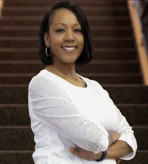
Republican and Conservative Candidate for New York State Assembly District 135
Kalinda Washington is a Republican and Conservative candidate for New York State Assembly District 135, bringing more than twenty years of experience in education, early childhood development, special education, and administrative leadership.
A lifelong Rochester-area resident, Kalinda was born in Rochester and raised in the Town of Perinton. She is a Fairport High School graduate and holds a bachelor’s degree in Specialized Studies with a minor in Special Education from Edinboro University of Pennsylvania, a master’s degree in Inclusive Education from Nazareth University, and an Education Specialist degree in Leadership and Administration from Walden University.
Kalinda’s work in the classroom, childcare, and community leadership has shaped her commitment to families, students, parents, taxpayers, and local accountability. As a mother of two daughters and the daughter of a Master Sergeant, she brings a grounded perspective rooted in service, responsibility, faith, family, education, and love of country.
Her campaign focuses on expanding school choice, strengthening parental partnership, lowering property taxes, supporting childcare providers, and making sure government remembers who it is supposed to serve.