


Order Masks Control examines how power advances not through force, but through promises of safety and stability. Peter Vazquez speaks with Pastor Mark Biltz on prophecy, Persia, and deception disguised as light, then turns to Marcus C. Williams as he challenges biometric surveillance, digital control, and warrantless data collection in Rochester. Liberty erodes quietly when order is no longer questioned.


Prophecy meets policy as Peter Vazquez sits down with Pastor Mark Biltz, author of The Final Tyrant, tracing how deception wears the mask of order from Iran to America. Then Marcus C. Williams brings the fight home with a bold Rochester proposal to curb biometric surveillance, protect cash, and require warrants for data collection. Security without liberty is a velvet cage.
Promote your brand on the Next Steps Show, airing on WYSL1040.com's AM 1040, FM 92.1, and FM 95.5 West stations. Discover more at nextstepsroc.com/advertise-with-us or dial (585) 346-3000 to get in touch with the WYSL team.
Have you ever dreamt of sharing your unique voice, stories, or expertise with the world through a podcast? Perhaps you're bubbling with ideas but uncertain about where to begin? The journey from idea to launch can be daunting, but that's where we come in. Dive Into the World of Podcasting with Next Steps Radio PODCAST Network! Visit NextStepsRoc.com or call Peter at (585) 880-7580.

The Next Steps Show – Cleaned Transcript
Host: Peter Vazquez
Guests: Pastor Mark Biltz and Marcus C. Williams
Opening Reflection
Peter Vazquez opens the program by framing the moment as both political and spiritual. He argues that deception rarely announces itself as tyranny and instead presents itself as order, safety, and moral necessity. Drawing from Scripture, he sets the tone for a discussion centered on discernment, authority, and truth.
Segment One: Persia, Prophecy, and Power
Peter welcomes Pastor Mark Biltz, founder and senior pastor of El Shaddai Ministries and author of The Final Tyrant. Pastor Biltz explains his view of the Antichrist as a global unifier who allows all belief systems to coexist while demanding allegiance to centralized power.
The discussion explores biblical references to Persia and Elam, drawing connections between ancient Scripture and modern Iran. Pastor Biltz outlines how spiritual forces influence nations and how economic collapse, unrest, and aggression toward Israel reflect deeper patterns described in prophetic texts.
He warns that evil rarely appears openly destructive. Instead, it cloaks itself in promises of peace, tolerance, and protection. Peter and Pastor Biltz discuss how spiritual blindness among leaders can lead nations toward collapse while believing they are pursuing stability.
Segment Two: Faith Without Action
Peter challenges the idea that prayer alone is sufficient in moments of crisis. Pastor Biltz responds with biblical examples showing that faith requires action when injustice and disorder persist. He argues that much of the modern church has become passive, mistaking silence for virtue and compliance for righteousness.
Segment Three: Law Enforcement and Civic Responsibility
Peter transitions the conversation back to domestic concerns, emphasizing respect for law enforcement and the importance of lawful process. He distinguishes between constitutional challenges handled in court and dangerous confrontations handled on the street.
Segment Four: Surveillance, Privacy, and Control
Marcus C. Williams joins the discussion as a Rochester community advocate and policy sponsor. He introduces the Rochester Sovereignty Biometric Privacy and Cash Access Act, explaining its goal of limiting non consensual biometric surveillance, preserving access to cash, and requiring warrants for sensitive data collection.
Marcus outlines concerns about facial recognition, digital identification, and mass data gathering by government and private entities. He argues that convenience is often used to justify expanded control and that rights once surrendered are rarely restored.
Segment Five: Metrics, Safety, and Accountability
Peter presses Marcus on crime statistics and public safety claims. Marcus responds by questioning how data is framed and whether reduced crime numbers reflect real accountability or selective enforcement. He emphasizes that surveillance without consequences for criminals shifts scrutiny onto law abiding citizens instead.
Segment Six: Cash, Consent, and Liberty
Marcus explains why preserving cash matters for privacy, autonomy, and protection against financial exclusion. He cites examples of digital systems being used to freeze accounts and restrict participation, warning that optional systems often become mandatory over time.
Closing Reflection
Peter closes by tying prophecy and policy together. From ancient Persia to modern Rochester, the pattern remains consistent. When order replaces truth and safety replaces liberty, control follows. Rights must be defended deliberately, locally, and without apology.
Listeners are urged to remain vigilant, engaged, and unafraid to question authority when it stops listening.
End of Transcript
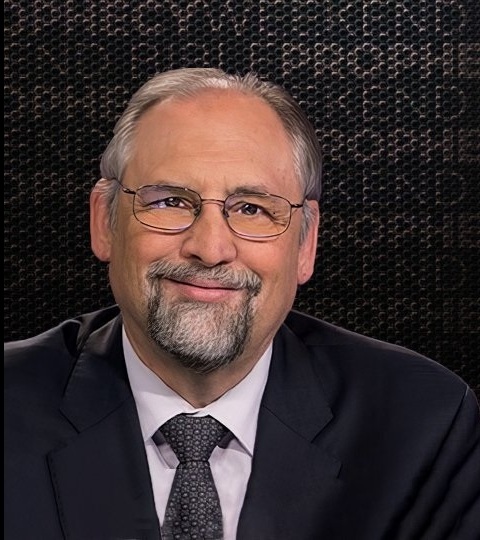
Founder and Senior Pastor of El Shaddai Ministries and author of The Final Tyrant
Pastor Mark Biltz is a teacher of Scripture who tracks world events the way most people track weather, looking for patterns, seasons, and the spiritual forces that drive what governments only pretend to control. He is the founder and senior pastor of El Shaddai Ministries and the author of The Final Tyrant, a warning framed through biblical prophecy about the rise of global deception, counterfeit “light,” and the relentless push toward centralized power.
Known for connecting ancient prophetic texts to modern flashpoints, Pastor Biltz explores the enduring significance of Persia and Iran, the biblical references to Elam, and the way spiritual blindness can shape national decisions. His work challenges audiences to move beyond headlines, recover discernment, and recognize how tyranny often arrives dressed as protection, order, and peace.
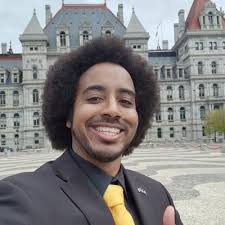
Local Policy Reformer and Community Advocate
Marcus C. Williams is a Rochester native and community advocate who does not wait for permission to defend his neighbors. Grounded in the belief that government exists to protect rights, not manage people, he has emerged as a leading local voice on public safety, civil liberties, and accountable governance.
Known for doing the work most people only talk about, Marcus drafted and submitted the Rochester Sovereignty Biometric Privacy and Cash Access Act, a proposal designed to curb warrantless surveillance, protect personal data, preserve cash as legal tender, and restore constitutional guardrails at the municipal level. His advocacy focuses on results, not rhetoric.
Marcus champions public safety by demanding both effective policing and real consequences for crime, while rejecting fear-based narratives that divide communities. On education, he supports expanding opportunity through vocational training, charter schools, and on-the-job pathways that prepare young people for real work, not permanent dependency. He is equally committed to economic growth, pushing for job creation, entrepreneurship, and policies that allow small businesses to thrive.
At the heart of his work is housing. Marcus confronts rising rents and collapsing neighborhoods by advocating for affordability, pathways to homeownership, and revitalization that serves residents rather than displacing them.
Marcus C. Williams stands for a simple principle: a city works best when its people are seen, heard, and empowered to shape their own future.