


This King Legacy Reckoning features Project 21 ambassadors Emery McClendon, Rev. David Lowery Jr., Michael Austin, and Bishop Garland R. Hunt examining how Dr. Martin Luther King Jr.’s moral vision of faith, character, and responsibility was reshaped into politics without restraint. They warn that cultural decline, dependency, and the loss of moral foundations threaten the dream itself.


A hard reckoning echoes through this conversation on Dr. Martin Luther King Jr., culture, and consequence. Emery McClendon, Rev. David Lowery Jr., Michael Austin, and Bishop Garland R. Hunt confront how a moral movement became a political industry, how faith was traded for grievance, and how responsibility was replaced by dependency. This is not nostalgia. It is a warning, a call to rebuild family, character, and courage before the dream becomes only a slogan.
Promote your brand on the Next Steps Show, airing on WYSL1040.com's AM 1040, FM 92.1, and FM 95.5 West stations. Discover more at nextstepsroc.com/advertise-with-us or dial (585) 346-3000 to get in touch with the WYSL team.
Have you ever dreamt of sharing your unique voice, stories, or expertise with the world through a podcast? Perhaps you're bubbling with ideas but uncertain about where to begin? The journey from idea to launch can be daunting, but that's where we come in. Dive Into the World of Podcasting with Next Steps Radio PODCAST Network! Visit NextStepsRoc.com or call Peter at (585) 880-7580.

The Next Steps Show – Cleaned Transcript
Host: Peter Vazquez
Guests:
• Emery McClendon
• Rev. David Lowery Jr.
• Michael Austin
• Bishop Garland R. Hunt
Peter Vazquez
In a nation that celebrates Dr. Martin Luther King Jr., we must be honest about what we are celebrating. Memory is not the same as truth. Reverence is not the same as accuracy. From the steps of the Lincoln Memorial to the present moment, Dr. King is remembered as a unifying moral voice, but over time the man, the message, and the movement have been softened, simplified, and repurposed.
Civil rights secured equality under the law, but culture has lost its will. When faith is reduced to rhetoric and responsibility is traded for grievance, the dream survives only as a slogan, not a standard. What prevailed then, and what must prevail now, is God, country, and family.
Emery McClendon
The Civil Rights Movement emphasized equality and hard work. What followed replaced those values with entitlement and excuses. We have seen marriage decline, fatherlessness increase, educational outcomes stagnate, and dependency on government expand, particularly in Black communities.
This was not accidental. Political actors shifted the meaning of civil rights to create dependence. Families were weakened. Fathers were replaced with government. Moral authority was undermined. Children were taught that success required reliance on systems instead of responsibility and self-determination.
Dr. Martin Luther King Jr. stood for personal excellence. Even if someone swept streets, he said they should be the best street sweeper in the world. That moral foundation still matters. Progress comes from character, not dependency.
Peter Vazquez
Is it acceptable to be Black and conservative?
Emery McClendon
It is necessary. Conservatism is not about race. It is about truth, constitutional values, and principles that make progress possible. Equality before the law, personal responsibility, and unity under God are not racial ideas. They are American ideas.
Rev. David Lowery Jr.
During Dr. King’s lifetime, the Black community was self-sufficient. We had intact families, businesses, homeownership, and community leadership. After his death, political power increased but community strength declined.
Today, Black America owns less, controls less, and celebrates less. Communities have become economic war zones. Others enter, extract wealth, and leave. Black people are last everywhere, yet told to celebrate symbolism instead of substance.
Dr. King did not die for dependency. He did not die for moral collapse. He did not die for leaders who enrich themselves while communities suffer.
Peter Vazquez
What happens when political success does not translate into real community strength?
Rev. David Lowery Jr.
You get grift. You get poverty pimps. You get leadership that survives on chaos. The solution is economic independence, community reinvestment, and moral clarity. Pull dollars back into the community. Build schools. Build businesses. Teach history. Restore discipline.
Until that happens, there is nothing to celebrate.
Michael Austin
Dr. Martin Luther King Jr. envisioned a colorblind society where people were judged by character, not skin color. Today, that vision has been inverted. Identity politics elevates race above merit and grievance above responsibility.
Progressive ideology assumes that nonwhite Americans are fragile and incapable without special rules. That belief is as destructive as past claims of biological inferiority. Both deny agency.
A nation cannot function without shared moral expectations. America’s culture is not ethnic. It is aspirational. Work hard. Take responsibility. Build something. Identity politics undermines that foundation.
Peter Vazquez
How did equality become dependency?
Michael Austin
After civil rights legislation, government intervention expanded beyond removing barriers and began replacing cultural formation. Welfare dependency replaced family stability. Aspirational norms declined. Markets punish discrimination naturally. Government-enforced grievance creates resentment and stagnation.
The dream is still alive, but it is fragile.
Bishop Garland R. Hunt
Dr. King’s strength came from principle and restraint. Peace was never weakness. It was grounded in faith. Peace comes from the inside out. When movements abandon biblical truth, they lose moral authority.
Civil rights originated in churches before being absorbed by government. Rights come from God, not the state. When civil rights are severed from faith, they are easily hijacked to justify violence, abortion, and ideological coercion.
Dr. King would not recognize movements that use his name to promote destruction.
Peter Vazquez
What would Dr. Martin Luther King Jr. say today?
Bishop Garland R. Hunt
He would speak against violence. He would call for discipline, love, and strength rooted in truth. Justice must align with God’s standards, not political convenience. Without faith, civil rights cannot endure.
Peter Vazquez (Closing)
Dr. Martin Luther King Jr. did not merely diagnose injustice. He organized people to confront it without being consumed by it. His words were not poetry alone. They were instructions.
The question facing America is whether we will preserve the instruction or continue celebrating the poetry while ignoring the cost.
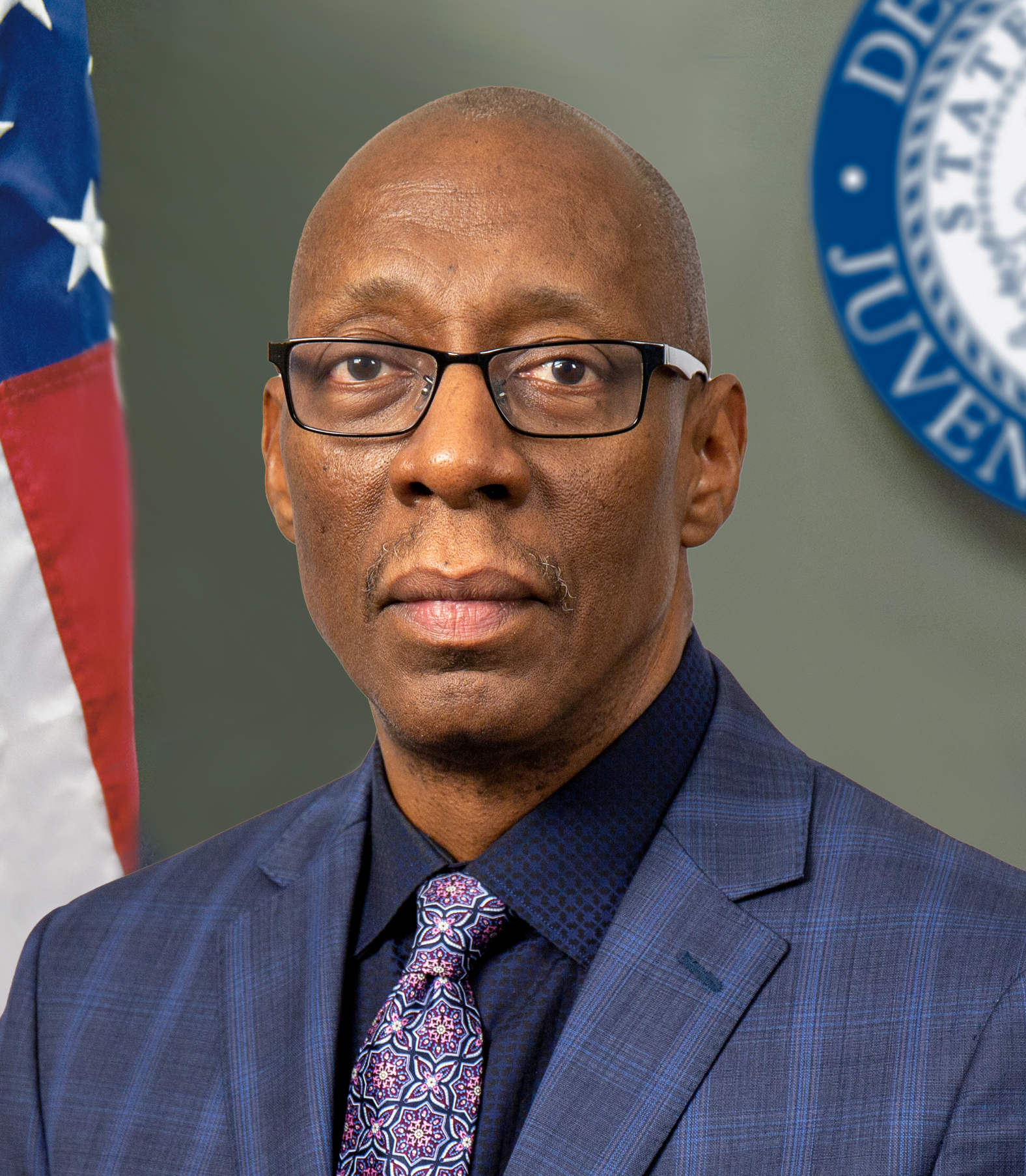
President
Garland R. Hunt is a proven strategic leader with a dynamic ministry background and extensive experience in criminal justice, religious liberty and race relations. He recently authored “Crisis in America: A Christian Response” (2021).
Hunt’s executive leadership spans some 30 years, with the Fellowship of International Churches, Wellington Boone Ministries and New Generation Campus ministries, which prepared him for an appointment as President of Prison Fellowship in July of 2011 until September of 2013, an organization that partners with some 7,700 churches and 14,000 volunteers.
He has extensive work as an advocate for religious liberty, racial healing and criminal justice reform. He is co-Founder of the OneRace Racial Healing Movement. He also served as a consultant with Alliance Defending Freedom and co-founder of the Coalition of Religious Liberty in Georgia. Hunt serves on the Board of Directors and as the Vice Chairman of Crossroads Prison Ministries and has served as Vice President of the Association of Paroling Authorities International. He currently serves on the Advisory Board for the National Committee for Religious Freedom with Ambassador Sam Brownback.
Most recently, Hunt was appointed as President of The Douglass Leadership Institute (DLI).
In 2023, Hunt was appointed as a board member to the Department of Juvenile Justice by Georgia Governor Brian Kemp. In early 2021, Hunt was appointed by Governor Brian Kemp (GA) to the State Housing Trust Fund for the Homeless Commission.
In 2010, he was commissioner of the Georg…Read More
Member of the Project 21 National Advisory Council
Emery McClendon is a longtime conservative activist whose work bridges grassroots organizing and national policy conversations. As a member of the Project 21 National Advisory Council, he lends his voice to advancing principles of free enterprise, limited government, and personal responsibility, particularly within communities too often spoken about rather than listened to.
Rooted in Fort Wayne, Indiana, McClendon emerged as a Tea Party organizer during a defining moment in American civic life, channeling citizen frustration into disciplined activism. His effectiveness and commitment earned national recognition when Americans for Prosperity named him its 2010 Activist of the Year, honoring both his leadership and his willingness to stand firm when it was neither easy nor fashionable.
Whether organizing locally or engaging the broader public debate, McClendon’s work reflects a steady belief that lasting change is built from the ground up, anchored in conviction, community, and the enduring ideals that made self-government possible in the first place.
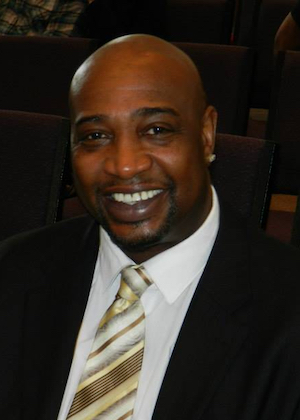
CEO
David L. Lowery, Jr. is a pastor, civic leader, and national voice grounded in both faith and service. A member of Project 21, his work reflects a lifelong commitment to truth-telling, community restoration, and practical justice rooted in responsibility rather than rhetoric.
Based in Chicago, Lowery serves as co-pastor of Fernwood Community Outreach Church under civil rights leader Rev. Dr. Albert “Al” Sampson, and as an outreach pastor at Universal Baptist Church in Harvey, Illinois. His ministry extends beyond the pulpit into public life, where faith meets the hard work of rebuilding trust and opportunity.
He is the founder and president of the Living & Driving While Black Foundation, a national civil rights organization confronting racial profiling while promoting economic pathways for ex-offenders, disadvantaged youth, and those too often left behind. Through speaking engagements and partnerships with civic and social service agencies, Lowery is known for offering solutions that reduce social, legal, and economic barriers by equipping people with knowledge that leads to constructive civic action.
Lowery also hosts Let the Truth Be Told on The Exceptional Conservative Network, bringing thoughtful, principled conversation to audiences nationwide. His leadership background includes service as a past president of the NAACP chapter in Rock Island, Illinois, and as a national crisis director for the National Action Network.
Before entering full-time ministry and advocacy, Lowery served as a civilian contracting officer for the U.S. Nav…Read More
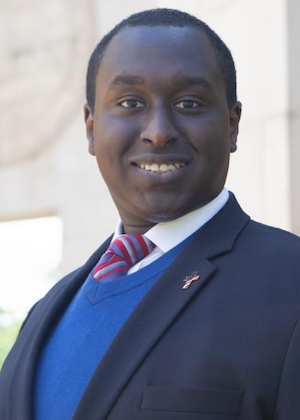
President
Michael Austin is a free-market economist and policy advisor whose work is driven by a conviction that strong families and individual freedom are the foundation of a healthy society. As president of Knowledge & Decisions Economic Consulting and a member of Project 21, he has devoted his career to advancing public policy rooted in economic reality rather than political fashion.
Austin served as chief economist to two governors of Kansas and as director of fiscal policy at the Kansas Policy Institute, where he worked closely with state legislators on tax, budget, and regulatory reform. His analysis earned national attention for exposing government misrepresentation during the COVID-19 era, including misleading claims surrounding mask mandates and testing practices.
Recognized by the American Enterprise Institute as an emerging poverty scholar, Austin’s work focuses on lifting people toward financial independence through policies that reward work, responsibility, and enterprise. His research and commentary have been featured by Bill O’Reilly, The Wall Street Journal, Bloomberg Tax, the Foundation for Economic Education, and a wide range of state and local media outlets.
During the Trump administration, Austin was appointed as an advisor to the U.S. Commission on Civil Rights, further extending his influence at the national level.
He holds a business degree from Washburn University and a master’s degree in economics, with honors, from the University of Kansas. Across every role, Michael Austin remains committed to the idea that sound econ…Read More