

 iHeartRadio
 Apple Podcasts
 Spotify
 TuneIn
 Podchaser
 Castro
 Amazon Music
 PlayerFM
 RSS Feed
 Kim Hermance: Who Guards New York's Vote?

Who Guards New York's Vote? Kim Hermance, President and Co-Director of Project CIVICA, joins Peter Vazquez on The Next Steps Show to discuss New York voter rolls, election integrity, registration discrepancies, and the public's role in demanding accountable elections.
Key Takeaways
- Key Takeaways: Election integrity requires transparency and accountability. Kim Hermance, President and Co-Director of Project CIVICA, explains why public confidence in New York elections depends on accurate voter records and verifiable procedures. Voter-roll discrepancies deserve investigation. Project CIVICA's Open Doors and Red Flags in the Rolls reports raise questions about potential duplicate registrations, noncitizen indicators, and out-of-state addresses. These findings require verification and do not automatically establish unlawful voting. Government records must withstand public scrutiny. Differences between county and statewide voter databases highlight the importance of transparency, Freedom of Information Law requests, and independent oversight. Automatic voter registration raises questions about safeguards. The conversation examines New York's DMV-related registration procedures, proposed changes to registration laws, and the responsibilities of state and federal election authorities. Citizens have tools to demand accountability. Public records requests, local organizing, election observation, and lawful challenges give residents opportunities to participate in government oversight. Distrust must not become an excuse for disengagement. Hermance emphasizes that voting, political participation, and informed civic action remain essential. As she states, "We need to be able to trust the outcome."
Today, Kim Hermance, President and Co-Director of Project CIVICA, returns to The Next Steps Show with host Peter Vazquez to confront a fundamental question: Who holds election officials accountable when voter records raise questions that deserve answers?
With New York's November 3 election approaching, Hermance discusses Project CIVICA's Open Doors and Red Flags in the Rolls investigations. The conversation examines voter-registration records, noncitizen indicators, potential duplicate registrations, out-of-state addresses, and the differences between county and statewide voter databases. The organization's findings raise questions requiring further investigation, not automatic proof of unlawful voting.
Peter and Kim explore Freedom of Information Law requests, federal and state election oversight, litigation involving voter-record access, automatic voter-registration concerns, and the importance of transparent, verifiable election administration.
But election integrity extends beyond databases. They discuss local campaign complaints, voter participation, poll watching, citizen research, political leadership, and the responsibility of ordinary Americans to move beyond frustration and take constructive civic action.
The message is clear: Public confidence requires accountability, lawful participation, and a willingness to examine the facts. Questioning government does not mean abandoning the ballot box.
Guest: Kim Hermance, President and Co-Director, Project CIVICA
Learn more: https://projectcivica.org/
Guest profile: https://www.nextstepsshow.com/guests/kim-hermance/
Putting People First. We measure results, not narratives.
Keep the conversation going: More episodes · Watch videos · Read commentary · Send a voice message. Live weekdays at noon Eastern on WYSL and WLEA.
THE NEXT STEPS SHOW
Kim Hermance: Who Guards New York's Vote?
FRIDAY, OCTOBER 16, 2026
Host: Peter Vazquez • Guest: Kim Hermance, President and Co-Director, Project CIVICA
Edited for readability, including condensed false starts, corrected names, and removal of station advertisements. This is an edited, automated transcript and has not been checked word for word against the recording. Some passages may be inaccurate. Statements and allegations belong to the speakers, not independent findings.
Transcript
[00:00] Peter Vazquez
You know something? Imagine tonight, Friday night, at the end of the business day. A responsible owner closes the register. Every deposit has a record, whether a receipt or something else documented. Every discrepancy demands an explanation. If an employee hands you a cash drawer that comes up short, you do not simply say, "Have a good day. Those things happen." When the numbers do not reconcile, nobody declares the books accurate simply because management says so.
That is what it seems like when we deal with elections. There is one coming up on November 3. We have to trust the system. We cannot walk around saying everything is always wrong. But when there is a question, it should be answered. To me, that is responsible stewardship.
James Madison said on February 6, 1788, "If men were angels, no government would be necessary." Our discussion today grows out of years of conversations with experts who asked questions and sparked deeper investigations.
Returning to The Next Steps Show, it is my honor to welcome Kim Hermance, President and Co-Director of Project CIVICA. Thank you again for joining us.
[00:02] Kim Hermance
Hi, Peter. Thanks for having me on.
You mentioned my favorite, founding father, who is James Madison. He is one of my favorites because of all the work he did in developing, the constitution and our bill of rights. So, it is interesting you started off with, his quote.
[00:02] Peter Vazquez
He comes up a lot. Because he kind of puts things in perspective in a way, in my opinion, that the common man kind of understands. We just lost her. Oh, no. Technology, I will tell you. It is great when it works, but when it does not, it does not work. So we are going to get our guest back here in Segundo. But listen, let me ask you. Really, because I know some of the listeners get skeptical, and we ask we ask, well, Peter, people at the board of elections, but the state, at the local, at the national, they say things are great.
But then, they are not. Especially when we look at voter records, especially when we look at… Because remember, election integrity was not just voter records. It was not just, well, illegals voting because we know all that is happening. It is things that happen. Well, you know what? That is not always on the news. Things like, well, lawn signs being stolen. She's back. I read a post yesterday here locally, in the city of Rochester, and there was a city truck with a city employee official, See? The tags and all. Right? Things that taxpayers pay for. Right? That was there. And the crazy thing about it, the back end of that truck was full of lawn signs from candidates just thrown in there.
No notice. No suspicion of code violation. I reached out to the city, but, of course, I did not get an answer. Hey. It looks like we have… It looks like we have Kim back in. Are you With us?
[00:04] Kim Hermance
Sorry about that. Looks like the gremlins knew I was talking about election integrity.
[00:04] Peter Vazquez
Hey. You know what? Murphy's law, I call it, well, big brother does tend to look, but technology. Technology is great when it works, and technology can be not great when it does not work. But more importantly, it can also be used to shut voices down. And I know we are kidding about the phone call dropping, but when it comes to issues of election, technology is a serious issue.
[00:04] Kim Hermance
It is. Exactly. It is. You were just talking about, officials, and, I think, basically, I think you were saying about the lawn signs. Just a little interesting story I ran across earlier this week. In California, there was a principal who rigged her, an election in her elementary school
[00:05] Peter Vazquez
So
[00:05] Kim Hermance
That her daughter would win. So, it is it is it is the thought that… Or why we think that everybody is going to be, above court in terms of honesty, when it comes to elections, is beyond me. I am I am of the belief that we need to, trust but verify to use, a little, play on Reagan, right, when we talk about Russia.
[00:05] Peter Vazquez
Huh. Absolutely. And, Kim, I have asked you and others when it comes to elections to join me in the show on a regular basis. And the thing is this, I do not have an intent of, like, repeating the same show over and over again every couple of months. However, it, it is been intriguing to me the consistency in some of the trends that I see in voter turnout, Some of the trends… And I do not mean the amount of people coming out to vote only because that is a problem. I am talking about the way voters turn out. So for example, I ran five times.
I ran five times. Four first state assembly to seek, one for county, I am a county clerk. And the results were almost identical, give or take a few thousand votes, and every… And I just find that so odd.
[00:06] Kim Hermance
Wait a second. So when you are, you said state assembly, that district should be bigger, I would assume, than the local, election you were running for. Am I wrong about that? It was
[00:06] Peter Vazquez
Well, they
[00:06] Kim Hermance
More population?
[00:06] Peter Vazquez
Well, no. There was about a 138, give or take, on the, old one 30th because I ran before they redistrict. They redrew the lines. And there was about a 138,000 voters, give or take. Well, it was the county wide, so I had over 700,000 voters. But what gets me is that the end result for those two races… And listen. I threw every different… Every time I ran, it was a different strategy, different people, different mess… Or same message, but, different format that we put it out. Outcome, sixty forty pretty much across the board. I figured I would lose worse, I would win better, something.
[00:07] Kim Hermance
Right. Okay. So you are saying the percentages were the same no matter what across all those races?
[00:07] Peter Vazquez
Regardless of turnout, regardless of what is happening in national politics or state politics, just the same turnout.
[00:07] Kim Hermance
It absolutely does make people wonder, and that is really the problem. Right? We need to be able to trust the outcome. We need to be able to say, yes. I believe that, the people who, are elected and certified are truly who either people voted for and, elected. And that is part of the problem. And it is interesting because it is it is not just a, Republican or right issue. It is also, an issue on the left. Oh my gosh. You jump on any, websites or social media that tends to be a little bit more less meaning, we will find everybody accusing, in the twenty four election, they will…
They believe that Elon Musk and Trump break the election. So their reality is both sides, no one's trusting the election. And the problem is when you think your vote does not matter and you think it does not… The system is rigged, then folks start staying home, and that is a huge problem too. So actually fixing the system so that we all trust the outcome, reconciling the vote, allowing transparency in what we are, seeing and, really robust all this, those kinds of things would actually probably help voter turn out. At least that is my belief. So it is interesting to me because we are very focused on, making sure that, everybody, is able to vote to, my opponent should be legally able to vote.
But, basically, it is still, eliminate people's, opportunity to vote. But at the same time, the voter participation rate is… If we are doing that, as a government and as a nation, as a state, the participant participation rate is going down, down. So it does not seem to be working. So perhaps we could look at making the elections transparent so people trust the outcome. And, in Georgia, actually, that did happen. It has some legislation and then improved the, voter participation rate. And it is very interesting. Like, for example, in Zeldin and Hochul's race, the, basically, Hochul was elected by a majority of the minority of voters because well over 51% of the electorate, they all vote electric, and New York State did not vote.
So that leads me to the idea that in this upcoming election, we absolutely have to go vote. Sure. The system has problems. Sure. America has issues. Sure. New York State has major issues, and the solution to get out of it is going to vote. In my opinion, it is in person whether you do it early or on election day, but go out and vote and go down a piece of paper. Unless you are in Monroe County where I think you have got those ExpressVote machines, but still vote.
[00:10] Peter Vazquez
Absolutely. Still vote. Save your receipts so that you can later on question if you got a question or at least, have something to prove that you voted for a particular individual, I have to assume, or confirm that you did. Let us talk a little bit, though, about grassroots kind of election integrity issues because, Project CIVICA, you guys have done phenomenal reports that we will get into here shortly. You guys have found the inconsistencies through your historical work. You guys have found, six degrees deep, that is been peer reviewed in your reports or your report has been peer reviewed, of malware.
Right? And the thing is this, I believe there is there is two things central to American freedom, and, and that is the freedom of speech, but also the election freedoms. That is what separate us from the rest of the world, at least the way we currently have. And so those are critical components. But they are not just being, skewed by numbers, at high-tech levels. They are being skewed at the ground roots level. I shared when we lost connection, a local candidate, Democrat, okay, in a seven to one favoring Democrat district in the city of Rochester. Right? Maybe eight to one.
Where the Democrat party apparently has been for some time now, city officials, city resources taking up candidate signs. And I have reached out a couple times, no answers. But when we see stuff like that and whether that is a real situation of election integrity issue or not, That happens. Do you see that across the country, and is that considered election integrity issues? And how do we work against that?
[00:12] Kim Hermance
Well, I think in a simple level, it is. Right? If you are not playing fair, right, you are removing people's signs, and that is that is our right as citizens to put a sign out on our property and to whom we support.
[00:12] Peter Vazquez
And
[00:12] Kim Hermance
If a government is going around and removing signs, that is suppressing our votes to some degree. And I hear those stories all across the country, as well. Matter of fact, I am in Erie County, and, I want to say… I do not remember if it was in '24 or '22, but, there was a incident where one side was grabbing, an assemblyman's, tickets or not tickets. Sorry. Sign off of the lawn on election day. So, yeah, we hear those stories all across, and it definitely is not playing fair. And, that is really what most people really want fairness in their elections and want, to know they can talk to the outcome.
[00:13] Peter Vazquez
And transparency. Here, let me get back, Kim, I want to talk a little bit about Project CIVICA's Open Doors report, and how it examines that first point entry if we can. Ladies and gentlemen, I have the honorable c. Kim Hermance, president and co-director of Project CIVICA, projectcivica.org. Ladies and gentlemen, do not change that dial. And do not forget, I am on Facebook, Twitter, Rumble, x. Leave us a message. Do not stay silent, especially this year. We will be right back right here on the Voice of Liberty Network, WYSL, WLEA, Peter Vazquez, and The Next Steps Show.
[Station break] Station programming and advertisements omitted (00:13:58–00:15:05).
[00:15] Peter Vazquez
Hey. Hey. Hey. Have you heard have you heard that it is Friday? Check that out, Friday. That is the last day of the week. You know what that means? Weekends here. You know what that means too that you get a chance to hang up on familia. You get a chance to get things done around the house, and more importantly, you get a chance, for you men to take your beautiful wives and put them on a pedestal and say, How can I serve you today? Hey. Welcome back here to The Next Steps Show, ladies and gentlemen, where we are talking election integrity.
And even though I am half joking there in the introduction a little bit, because you should always be honoring your queens, man. Absolutely. But the thing is this, if we do not protect our nation, if we do not take the one right to protect every single right, the one right that puts people, right, in offices that are controlling your future and freedom and your grandkids' future and freedom, then how we doing? Really. Project CIVICA, president and co-director, the honorable Kim Hermance. Right before break, ma'am, may I ask you about Project CIVICA's Open Doors report and what it examines as far as point of entry?
I have seen things, Kim, like records carrying citizenships related indicators and county voter records, including some with participation history. I have seen serious questions come up or at least for me whether eligibility, transmission, or correction procedures had been, had been done as the law intended. Can you answer some of those?
[00:16] Kim Hermance
Well, we, did a, report, by getting county voter rolls and looking at them. And what we found in those rolls is… In the county rolls, 10,680 records carrying noncitizen indicators in about 14 counties where the county wide us with those data screens. So we did a treatment of information law request to all of the 62 counties in New York State. Most of them returned voter rolls. Some of them gave us, data fields that has these citizen ship indicators. There were two kinds. So one is if you, maybe some people remember filling out their voter registration form, there is a question right off the top of the page, right on the…
Right at the beginning that says, are you a citizen? And you answered yes or no. So one piper's records were folks who had answered no n, and that had been collected in a, spreadsheet. And, those records, we have well over 10,000 of them. There was voting history attached to those. All of those records would require more, research to determine, did they answer the question no by accident? What is going on with that? But that was quite a number of records. And the, interesting thing there is about 96% of them got into the county rolls through the Department of Motor Vehicles online form, which the code is d m v I on the, in the voter rolls.
And then we also found about, 400 or so records where, the county itself had determined that someone was a noncitizen, purged them because they were a noncitizen. And, in some of those cases, there were both attached too. So all in all, we found about 88 unique records because there was some overlap, of, voting history as recent as 2025 and 2024. And the crazy thing is we have got in New York State County voter rolls, but then you also have the, federally mandated state voter rolls called NYSVoter. If they got into NYSVoter, those records were coded in the state level voter rolls as a duplicate in most cases.
So if you looked at NYSVoter, the state level of voter rolls, you would never know that these records were noncitizens because they, at the state level, there is not a code for noncitizenship. Some of the counties apparently had it, and we were able to get that, data. So that represented about 10% of the population of New York and it is, those counties that were… They gave us those records. And, they were not the big counties. It was not New York City. It was not Suffolk or, NASA or Erie or Monroe. It was not those big counties. They, they did not give us those data fields.
[00:19] Peter Vazquez
If I may, was Monroe County one of the counties that provided you all the information you needed for a proper audit?
[00:19] Kim Hermance
I am trying to remember if there were data fields missing. And if there were, it was not in Monroe. Each of the counties provided, different levels of, what we asked for, if you will. And we had to go back to some counties and ask for more records. We had a couple counties that literally refused to give us records, at all, citing, some, decision… Court decision, which we do not think applies. And we are in the process of actually, taking, taking some legal action in those counties, each one of them right now, to try to get those roles, because, it is…
We should be able to get them. There is no reason why we cannot. So, yeah. So that is one way people could help us because, hiring an attorney to, take the county, support under an article 78, is expensive, and we are entirely volunteer driven and donation driven. We are a nonprofit. So anybody is interested in helping us, support, lesson integrity and a couple of our other… All of our other initiatives, you can donate at projectcivica.org. And all of our initiatives that we are currently, supporting and working on are on our website, projectcivica.org.
[00:21] Peter Vazquez
And they are all worthwhile, and They all protect our future. And the thing is, though, so many people are afraid to have this discussion publicly or challenge a conversation that, without you guys, what do we have? We leave the gatekeepers, well, monitoring their own gates. That is kind of silly to me. Three minutes.
[00:21] Kim Hermance
That is actually why Project CIVICA was started. We found, that citizens were real good at complaining and identifying the issues and the problems, but they were not super, good, if you will, on following through and taking action against that. We try to educate people, on the tools available to citizens to push back on their government and to push back on government overreach, push back on where they are not following the law. So election integrity and looking at the voter rolls and things like that is one way of doing it, but there is numerous other ways through, like, open meetings law, for example.
Freedom of Information Law request, can be used in, various settings to get data and information, looking at budgets, and, county local budgets and trying to understand where the money is going. All of that is, things that we tackle and, trainings on it. How we try to… We have local teams that, we have been really working hard to try to organize across New York State to those legal tools that we as citizens have to, see… Oversee our government because that is really what it takes, in terms of making sure this republic, continues into the future for our grandkids and, future generations.
[00:23] Peter Vazquez
100%. And that is projectcivica.org. Oh, go ahead. I am sorry.
[00:23] Kim Hermance
No. A 100%. If I can, I can talk about a couple of our initiatives that we currently got? Have going on that is easy for people to do right from their home if you would like. Absolutely. Continue on the open, doors report. We can talk about that too.
[00:23] Peter Vazquez
We are going to be going to break here in about a second. But, yeah, by all means, let us take that, those few seconds to talk about at least one of the initiatives you have going on right now before break that'll give somebody something to look into while we take our next break.
[00:23] Kim Hermance
Perfect. So, again, projectcivica.org for all of them. We were talking about get out the vote efforts. So if you are interested in helping to get out the vote in a nonpartisan way, we have some options for people. We are working with, America First Works. This is the, act… Action part, and you cannot assist in making text or calls to voters and get them out to vote.
[00:24] Peter Vazquez
Projectcivica.org. Ladies and gentlemen, we have Kim Hermance, president. You have to check out that website. Check out that initiative and check out the organizations that partner with them. That makes a big difference. I will tell you. And talking about partners, here real quick to shout out to yfcrochester.org. Reverend Michael Hennessy, thank you for saving lives every single day, twenty four hours, seven days a week. We will be right back right here in the WYSL WLEA Voice of Liberty Network with Peter Vazquez in The Next Steps Show.
[Station break] Station programming and advertisements omitted (00:24:47–00:30:32).
[00:30] Peter Vazquez
Never that fried chicken. It may harden the heart of a little bit, but boy, it is so… A Friday night seat. Hey. Listen. Welcome back to The Next Steps Show. I will keep on Peter Vazquez enjoying my lunchtime with you, ladies and gentlemen, and I truly hope you are. Hey. If you have not noticed, WYSL, WLEA, the Voice of Liberty Network. Go over to our website and then click on that Facebook button or on that Twitter button. And pretty soon, if you… Because right there, you will see it. This will be going on our website for easy access. Check out our substack that we put out recently.
There is an article on there that tells you, hey. Check it out. See that national treasure as we call him here at the Voice of Liberty Network, Bob Savage. There is a history there that you have to read. This place, man, I will tell you, it defines god, country, and family. Right? It surely does. Let me let me share some numbers with you. I would yell it if I could. Right? Because this March 2026 Red Flags in the Rolls report says things like this. Right? It is like a voter file snapshot. It classified more than 94.6% of registrations as originating in channels its researchers called low verification.
Right? It seems like a little problem to me. That same report identified a 125,210 apparent unresolved within state duplicates and 220 repeated statewide identifiers in its historical database. That report flagged 520,835 records associated with out of state addresses. Out of state address notice is inside 23,000 plus of those showed subsequent New York participation. I will tell you our guest. Right? And a gentleman called Floyd Patrick said this. That number is not the end of the analysis. It is where the investigation begins, and this is where you, ladies and gentlemen, right, play a role. Kim Hermance, president of Project CIVICA, projectcivica.org.
Kim, what say you on that note?
[00:32] Kim Hermance
Absolutely. All of our reports and you have mentioned too are based on citizens taking their skills and talents and investigating and, putting it all together in a report that we are publishing to shine a light on the issues and the problems that we see in New York State. And, it is actually the model that Project CIVICA follows is the perfect example of it that, citizens can produce and by working together, produce some consequential, information. Our noncitizen report that you were talking about in the previous segment, open doors. That report, we used the data in an amicus breach in the Department of Justice's lawsuit against New York State Board of Elections over the voter rolls because New York State has refused to give the DOJ Department of Justice, the voter rolls.
And, we used the citizenship data that we found that we were just talking about in, a legal brief that was filed, in federal court at the, appellate… I believe it is the next level up, not the lower court, but the appeals level. So, the information is consequential, and, we have got some, new numbers. We actually collect voter rolls every single month, and as always, the election, we are trying to collect it actually weekly. We are already seeing in the voter rolls, data, coming back on, both, mail in and FPP ballots that are coming back. And, we are flagging those records where we duplicates because you mentioned duplicates.
We have already seen a couple of duplicates, and we will submit that information to the appropriate county board of elections to, take a look at. In New York State, when you mail something in, your mail ballot in, that they have under the law, they basically have to separate the, envelope from the ballot within four days. So there really is not the opportunity to challenge those ballots as they come back. So, basically, if we are going to look at the records that we are we are challenging the registration. But, yeah, there is, quite a number of issues with duplicates, which would be, people who are registered, in New York State and then also registered parts across the country.
And in many cases, we see them both attached to those. And all of that requires more investigation, but, some of it we cannot do. We can only go so far with it because we do not have access to people's, personal, identifying information like a Social Security number or driver's license.
[00:35] Peter Vazquez
So listener in social media… And a reminder, ladies and gentlemen, we are on Facebook and Twitter and Nax and LinkedIn on all of them. YouTube. We are there. Share it, like it, leave your comment. Sometimes the phone gets tied up, but you can definitely talk to me there. Nextstepshow.com. You can even leave a voice mail or send me a message or a text message. Your voice matters. Right, Kim?
[00:36] Kim Hermance
Absolutely. Absolutely. Your voice matters and your action matters.
[00:36] Peter Vazquez
So a listener on Facebook, or on YouTube, excuse me, said, vote red or New York is dead. Is that the answer, Kim, from your perspective?
[00:36] Kim Hermance
Well, we are nonpartisan. Right? That is correct. We do not encourage people… We encourage people to go vote and make their voices heard. We encourage people to get involved. And, with wherever your values lie, that is where you should, make your voice heard and take action. It is it is much more fun when you do it together with people. Right? So it can be fun too taking action. But I find over, just all the people I talk to, people have lost that, what I will call, civic muscle, the ability to get out there and fight against, for something they believe in.
So, New York definitely has a lot of issues. And if we could get citizens delving… Maybe your skill set is in accounting. Right? Or maybe you are a numbers person or a data person. If you delve into the numbers and you learn how to do it, then you can push back yourself, and we can all collectively make New York a better place. Called the Empire State for a reason. Right?
[00:37] Peter Vazquez
And Yeah. They are awkward.
[00:37] Kim Hermance
We are, like, lapsed in, a lot of categories, in terms of, like, taxes and things like that. And, so, yeah, it takes people getting involved, and it takes people getting involved in their political party.
[00:37] Peter Vazquez
Yes, sir.
[00:37] Kim Hermance
So one of our initiatives, is encouraging people to get involved politically in their… Whatever party they, identify with, if you will. So, there is, committee people in the parties, Republican, conservative, Democrat. Right? And it is, you can, it is actually the lowest, or the lowest level, if you will, of a… Of an elected position. You can literally be elected to represent your election district, as a committee person. So we encourage people to get involved in their party because one of the things we really see across the state is a dearth of leadership. We need people to learn the process, learn what is involved, and step up and be, be the leaders, in New York State instead of moving out, which is what people tend to do, get involved if you cannot move out especially and become, a leader.
We ran a pilot program down in Brooklyn, because one of the issues is the Republican Party, does not field candidates down in New York City. It is, I think it is over 60, state legislature positions this year, do not have two people running in them. So there is no… In this case, down the city, there is no Republicans running. And it could be the opposite problem in other areas. Right? For the most part, it is downstate in the city. There are not any Republicans. So, if you are going to vote, why go vote if there is only one person to vote for?
It makes no sense. So we ran a pilot, in Brooklyn, and just sent emails out, ran some streaming ads, which are a little less expensive than, TV spots. And we, got, a couple of 100 people interested. And what it was is learn how to run for office. Very nonpartisan. We went through the, process on how to do it, at a basic level because it is it is, there is definitely some, law involved and more quirk. Order to understand just the basics on how to do it, we, did a Zoom call. And I do not remember the exact number of people who attended that and the people who responded they were interested.
And then we did end up with, half a dozen or so people that ended up jumping in and are, trying to run for office. So this is a program we want to continue in New York State and educate people on how to run for office, how to get involved in their political party. Because in my opinion, the Democrat party has been taken over by, the
[00:40] Peter Vazquez
The DSA.
[00:40] Kim Hermance
Of communists now, but they are calling themselves the DSA. Exactly. Islam.
[00:40] Peter Vazquez
And in
[00:40] Kim Hermance
My opinion, that is very, against a lot of the… Our founding fathers wanted for America and how they set up our constitution or our federalist, system.
[00:40] Peter Vazquez
You know Gary Stout, who does a lot of elect… Election integrity stuff with you know who he does. He does our second amendment show. He says, why does almost no BOE address that question? And that is true or at least not directly all the time. You also said in August, these findings document a systemic breakdown. But yet here in New York State, we have a New York's green light law that concerns access to standard driver's license where you discovered that a lot of this, election integrity issues were coming from. And then we also have New York senate bill six eight, a as in alpha, that passed the senate on May eleventh of this year by thirty eight twenty two and remains in the assembly election law committee.
Ken Herman's president and co-director of Project CIVICA projectcivica.org. When we get back, we are going to shed light to widen these bills. Probably does not work well for us right here in The Next Steps Show in the Voice of Liberty Network, WYSL, WLEA.
[Station break] Station programming and advertisements omitted (00:41:44–00:42:56).
[00:42] Peter Vazquez
Let those nerves come down as you approach the end of your week because you know something? God is good, and he's good all the time. And for you, that means that tonight, you could say, god, I know you got my back. I am spending time for me, familia. Welcome back here to the next step, Chelsea. And the thing is this, people like, hey, Senor Mike Hennessy over at yfcrochester.org. He's teaching that to our kids, letting them understand that, Mira, no matter what you see on TV, right, no matter how hard that ball is thrown at you, just remember, God, country, and family is that simple.
Yfcrochester.org. Check it out. Pretty soon, you will see it on their website, Comic Relief. Starts at six, goes all the way through. Good dinner, funny stuff. You support a good cause, but more importantly, you are saving lives. Just like the honorable Kim Hermance says, right, in her way over with projectcivica.org. Because you know something, Kim? If this if this election stuff gets away from us, if the DSA gets their footing and they actually gain more traction because they got quite a bit of traction, If the Democrats' philosophy today takes over and not in reference to your organization, because I know you are bipartisan, that is my statement.
We are going to see a different America tomorrow, and your work is too important. And you said earlier about people getting involved, but it is so hard in places like New York, especially with New York's green light law or the, New York senate bill s eight a. How do we overcome that? We need advice, Kim. Help us out.
[00:44] Kim Hermance
We still in New York have the ability to take action. We still have the ability to
[00:44] Peter Vazquez
Be stopped. The people.
[00:44] Kim Hermance
We are still we the people a 100%. And, so, when you do it together, right, one person is hard to fight back, but as a group, fighting back is much easier. And, you get more attention that way. So, the issue in New York State really is right now is controlled by one party. And, I do not care what party it is. That is not healthy for a government not to have multitude of ideas. And so in your state, it is basically a super majority at the legislature, and that is why elections are so important because if we can break that super majority at the senate level or you could break the super majority that happens now because through the executive branch.
If you can, get some more, different voices in the legislature, that does help. It will, lead to, hopefully, much better legislation, I believe. So I am, the bill you were talking about, do you want to, I am not sure what the topic of that is. I am not good with numbers, believe it or not.
[00:46] Peter Vazquez
Let me just say it, Bill?
[00:46] Kim Hermance
I would need, Yeah. What was the topic of that bill? Although that does not always tell you because they like to use, pretty words and it is, you have to look into the details to figure out what it actually is going to do.
[00:46] Peter Vazquez
No. Absolutely. And I am glad because I was going to ask you a follow-up question, and they do that. They either make it overly complicated or overly simple, so it seems complicated. That
[00:46] Kim Hermance
That is I am sorry.
[00:46] Peter Vazquez
I call that bambooziness, Kim. So senate bill s eight a, it passed the senate on May eleventh of this year, thirty eight to 22, like I mentioned. It remains in the assembly election law committee. And I could not find, like, a fancy name for it. They just call it by its number from what I can tell, at least at the moment. It is proposed future workflow covers DMV, some Medicaid, and specified housing transactions. The Medicaid housing language, including external citizen verification conditions, and, basically, the way I understand it is another venue for undocumented citizens through DMV and other sources that they are exploiting now, like DMV and Medicaid, to become a legal voter or a perceived legal book.
[00:47] Kim Hermance
So it is it is the automatic registration, basically. Okay.
[00:47] Peter Vazquez
That was similar to you. Something you are dealing with already.
[00:47] Kim Hermance
To say, and then that would have been easy for me to answer. Automatic registration. So, basically, what people do not understand with that is that you have to opt out of all of that. Right? So when you go to any one of, a government agency thing now is the DMV and it is a little bit more limited, and you, for example, are a legal, not illegal, but a legal noncitizen. You have a green card or, you are here just a visa… A work visa, and you want to get your driver's license, you have to opt out, or sorry. You are automatically registered.
Right? So it automatically happens unless you tell them, no. I am not a citizen. No. I do not want to register to vote. And then there is no verification at all in New York State on registration. It is all done by attestation. So, basically, you are swearing at the bottom of the registration form or if it is online, it is, obviously online, that need all the criteria registered to vote. I think it is very unfair to somebody who is here legally, maybe as a refugee from some country, and they want citizenship down the road. Because if they, by accident, get on the voter roll, and by accident, somebody maybe uses, their, record and those for them, and it does happen.
Now they have to fight the system, and then it can lead to the… They are not being able to get citizenship, getting deported. There is consequences to it. So, basically, just allowing things to just go right through without any gate, in my opinion, is silly and that, or not even the silly. It is it is awful, to be honest with you, because it hurts people. And that very similar to the situation in, New Jersey that people might have heard about where the governor of New Jersey had to admit that, thousands of people had made it through to, the voter rolls.
Many of them had voted. And, but the problem is, many of these people probably did not want to do anything, illegal. And they, by accident, it was a glitch, which seems to happen, managed to get it… Get through into, our voter vault. So that is that is what that means. And, again, it comes back to what I was talking about earlier. We are making it so easy to register, but at the same time, that just… All these problems then that come up after that, like duplicates, for example. If you, every time you interact with the Department of Motor Vehicles, the registration record can be for, created.
Somebody's have to go into the voter rolls and find all those duplicates And remove them. It is just creating more problems. And, it does not make sense in today's day and age with the, IT that we have, the technology that we have, that we cannot fix some of these problems.
[00:50] Peter Vazquez
Well, a reoccurring statement or at least a reoccurring theme that leads to this statement is, the statement that says nobody cares. And I find that so disheartening because, in the work that I too have been doing now for well over a decade, sometimes it does seem that way. Tell me, Project CIVICA, if Project CIVICA were to support federal access to New York voting, voter information, What enforceable protections must accompany that access? And is there a line against federal overreach? Because, well, common sense people are not always in charge.
[00:50] Kim Hermance
That is very true. Our constitution sets up quite a, give and take between, the federal government and state government. Right? Federalism at its finest. But in terms of election, people always go and close the section of the constitution, which gives, states the power to oversee elections. And, but federal government in… Does have the right to, create law where it is needed to, for federal elections. And they did that through the help of narcotact, through the National Voter Registration Act. And those, laws, I believe anyways, allow the Department of Justice to, gather voter rolls and information to make sure that the state is in compliance Two.
With federal law. And, you were mentioning, one of our reports, a red flag. We believe based on all the information that we investigated that New York State is not in compliance with the National Voter Registration Act or the Help America Vote Act. That is, that is the struggle that we have got right now and that one lawsuit that I was mentioning with the DOJ and the New York State Board of Elections of the voter rolls, that probably will end up in, excuse me, in the Supreme Court, and the Supreme Court will have to advise an answer to that one.
[00:52] Peter Vazquez
And the work that you guys are doing will continue. We are going to have you on every other month, every other month on a Friday so that everybody can hear you. Ladies and gentlemen, we will we will we will say the same comment or the same, quote that I started with, with James Madison, who said this in 02/06/1788 when he said, and you need to listen, because this is not applicable just to the male species. This is to Americanos, god, country, and family. If men were angels, no government would be necessary. Or not angels. Kim Hermance, president and co-founder of Project CIVICA, projectcivica.org.
Kim, thank you for your time today. I look forward to having you on again soon.
[00:53] Kim Hermance
Thank you for having me, and I look forward to our next, time post election.
[00:53] Peter Vazquez
Absolutely. May god bless you and the work that you and your organization continue to do. Ladies and gentlemen, it is pretty simple. Be a leader. Be a leader. Be a leader. God bless these United States Of America. Do not let a second go by where you are not a voice for liberty.
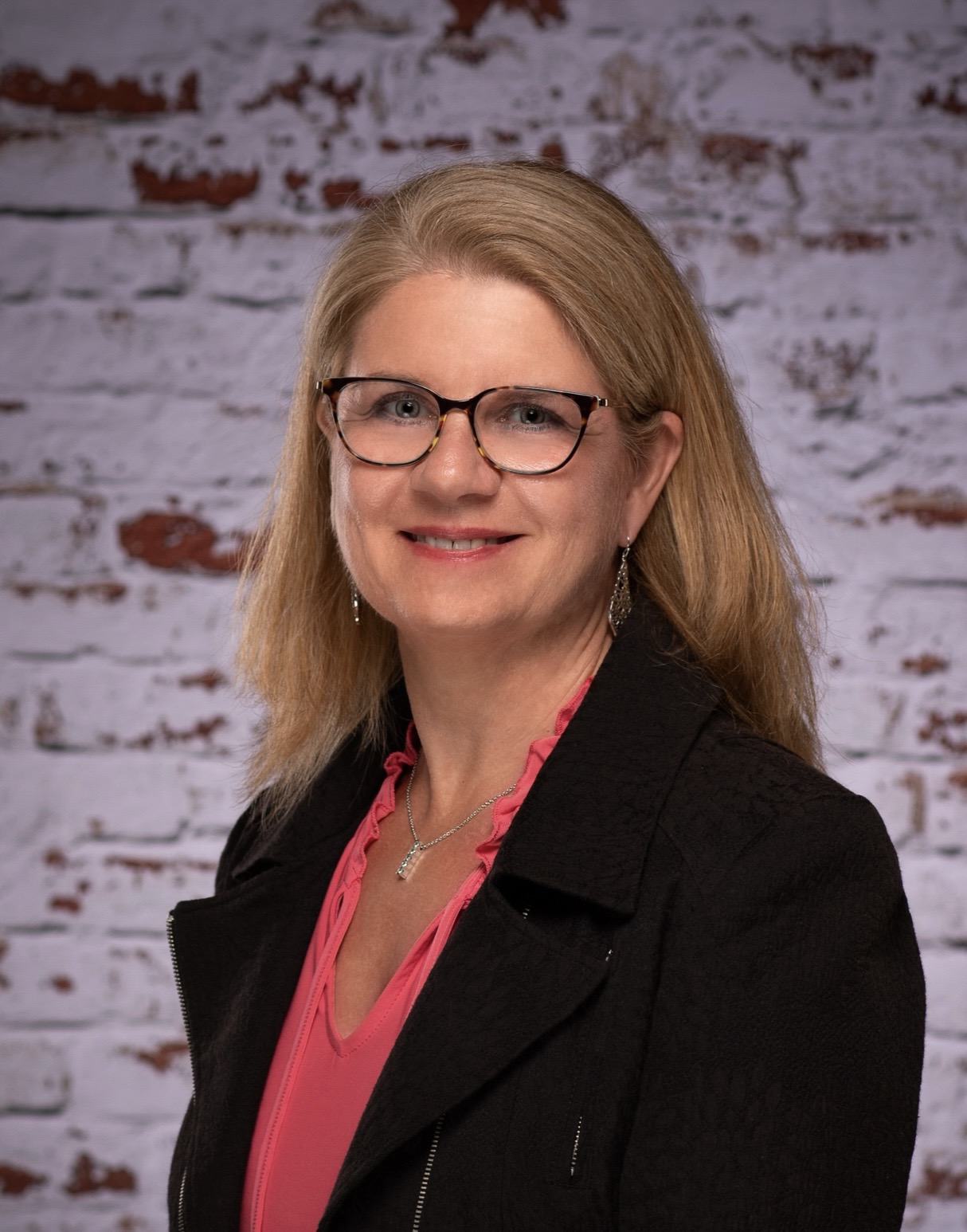
President and Co-Director, Project CIViCA
Kim Hermance believes effective self-government requires citizens who understand how government works, have the tools to hold it accountable, and are prepared to step forward, take action and lead. That principle has driven her work since 2021 and is at the heart of Project CIVICA, the nonprofit civic action organization she co-founded in January 2024.
Before founding Project CIVICA, Kim helped build and coordinate a statewide network of nearly 2,000 volunteers across more than 45 New York counties. That experience demonstrated what organized citizens can accomplish when they move beyond frustration and have the knowledge, structure, and practical tools to act effectively.
As President and Director, Kim has helped build Project CIVICA into a statewide citizen research and action organization. Its work includes large-scale voter registration and election administration research, statewide poll-watching and voter-turnout initiatives, legislative advocacy in Albany and Washington, D.C., citizen petitions to Congress, and data-driven reports examining voter-list maintenance, election administration, government transparency, and compliance with law.
Central to Kim's work is putting the tools of government accountability directly into citizens' hands. Project CIVICA trains citizens to use New York's Freedom of Information Law (FOIL) and Open Meetings Law (OML), follow public money and government spending, examine public records, scrutinize government decision-making, and take action on the findings.
Project CIVICA also engages in legal advocacy, inc… Read More